In the realm of agricultural packaging, the durability of woven bags is a critical factor that can significantly impact the quality and safety of the produce they carry. As a long - standing supplier of Garlic Woven Bags, I've encountered numerous inquiries regarding the tear - resistance of these bags. This blog post aims to explore the tear - resistance of garlic woven bags from multiple perspectives, including material properties, manufacturing processes, and real - world applications.
Material Composition and Tear - Resistance
Garlic woven bags are typically made from polypropylene (PP), a thermoplastic polymer known for its excellent strength - to - weight ratio. PP is a versatile material that offers several advantages in terms of tear - resistance. Firstly, the molecular structure of polypropylene consists of long, linear chains that can align during the manufacturing process. This alignment results in a strong and durable fabric that can withstand significant stress without tearing.

The density of the polypropylene used in the bags also plays a crucial role. Higher - density polypropylene generally has better tear - resistance because the molecules are more closely packed together. This makes it more difficult for external forces to break the bonds between the molecules and cause the bag to tear.
Another important aspect is the addition of additives to the polypropylene. Anti - oxidants, UV stabilizers, and anti - static agents are commonly added to enhance the performance of the bags. Anti - oxidants prevent the degradation of the polypropylene over time, maintaining its strength and tear - resistance. UV stabilizers protect the bags from the harmful effects of sunlight, which can weaken the material and make it more prone to tearing. Anti - static agents reduce the build - up of static electricity, which can cause the bags to attract dust and debris, potentially leading to abrasion and tearing.
Manufacturing Processes and Their Impact on Tear - Resistance
The manufacturing process of garlic woven bags has a profound influence on their tear - resistance. One of the key steps is the weaving process. There are two main types of weaving methods: flat weaving and circular weaving.
Flat weaving produces a more uniform and stable fabric. The warp and weft yarns are interlaced at right angles, creating a strong and tight structure. This type of weaving is often used for bags that require high tear - resistance, as the interlacing of the yarns distributes the stress evenly across the fabric.
Circular weaving, on the other hand, is a continuous process that produces tubular bags. While circular - woven bags are generally more cost - effective, their tear - resistance may vary depending on the quality of the weaving. However, advanced circular - weaving machines can now produce bags with excellent tear - resistance by controlling the tension of the yarns and the density of the weave.
After weaving, the bags may undergo additional processes such as lamination or coating. Lamination involves bonding a thin layer of plastic film to the surface of the woven fabric. This not only enhances the tear - resistance but also provides a barrier against moisture, dust, and pests. Coating, such as applying a layer of polyethylene on the surface, can also improve the bag's durability and tear - resistance.
Real - World Applications and Tear - Resistance Challenges
In real - world scenarios, garlic woven bags are exposed to a variety of conditions that can test their tear - resistance. During the harvesting and transportation of garlic, the bags may be subjected to rough handling, sharp objects, and abrasion.
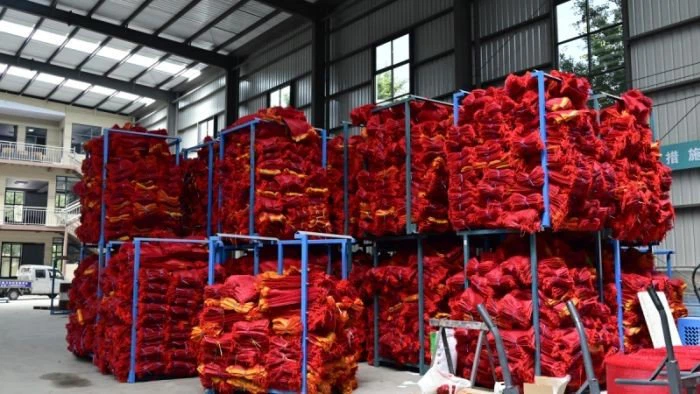
When loading and unloading the bags, they may come into contact with forklift tines or other equipment, which can cause punctures or tears if the bags are not tear - resistant enough. Additionally, the weight of the garlic inside the bags can put stress on the fabric, especially when the bags are stacked on top of each other during storage.
In humid environments, the bags may absorb moisture, which can weaken the polypropylene material and reduce its tear - resistance. Mold and mildew can also grow on the bags, further degrading the fabric.
However, our garlic woven bags are designed to withstand these challenges. Through careful selection of materials and advanced manufacturing processes, we ensure that our bags can resist tearing even under harsh conditions.
Comparison with Other Types of Woven Bags
It's interesting to compare the tear - resistance of garlic woven bags with other types of woven bags, such as Carrot Woven Bags and Grain Woven Bags.
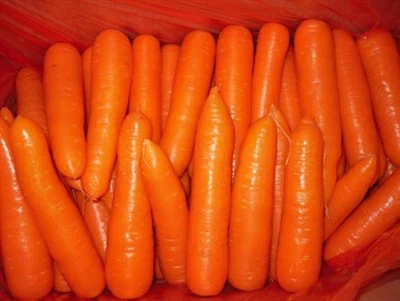
Carrot woven bags and garlic woven bags share some similarities in terms of material and manufacturing. Both are usually made from polypropylene and are designed to protect the produce during transportation and storage. However, carrots are generally smaller and lighter than garlic bulbs, so carrot woven bags may not need to be as tear - resistant as garlic woven bags.
Grain woven bags, on the other hand, are often used to carry heavier loads, such as wheat, rice, or corn. These bags need to have high tear - resistance to withstand the weight of the grain. While the basic material (polypropylene) is the same, grain woven bags may be thicker and have a denser weave to provide the necessary strength.
Testing the Tear - Resistance of Garlic Woven Bags
To ensure the quality of our garlic woven bags, we conduct a series of tests to measure their tear - resistance. One of the most common tests is the Elmendorf tear test. In this test, a specimen of the woven fabric is clamped in a tester, and a pendulum is used to tear the specimen. The energy required to tear the specimen is measured, and this value is used to determine the tear - resistance of the fabric.
We also perform practical tests in real - world conditions. We simulate the handling, transportation, and storage processes to see how the bags perform under actual use. By analyzing the results of these tests, we can continuously improve our manufacturing processes and material selection to enhance the tear - resistance of our garlic woven bags.
Conclusion and Call to Action
In conclusion, garlic woven bags can be highly resistant to tearing when they are made from high - quality materials and manufactured using advanced processes. The choice of polypropylene, the addition of additives, the weaving method, and post - treatment processes all contribute to the bag's tear - resistance.
If you are in the market for reliable and tear - resistant garlic woven bags, look no further. Our company has years of experience in producing high - quality Garlic Woven Bags that can meet your specific needs. Whether you are a garlic farmer, a distributor, or a retailer, our bags will provide the protection your produce deserves.
We welcome you to contact us for more information and to discuss your purchasing requirements. We are committed to providing you with the best products and services, and we look forward to partnering with you in the future.
References
- "Plastic Packaging Materials for Food" by Yam, K. L.
- "Handbook of Thermoplastics" by O. Olabisi