Can 50kg Woven Bags Be Reused?
As a seasoned supplier of 50kg woven bags, I've often been asked about the reusability of these workhorses of the packaging world. Woven bags, especially those with a 50kg capacity, are extremely common in industries such as agriculture, construction, and manufacturing, where large quantities of bulk materials need to be stored and transported. The question of reusability not only concerns cost - effectiveness but also has significant implications for environmental sustainability.
The Structure and Material of 50kg Woven Bags
First, let's understand what 50kg woven bags are made of. Most of them are constructed from polypropylene (PP), a thermoplastic polymer known for its high strength, durability, and excellent chemical resistance. PP woven bags are fabricated by weaving narrow tapes of polypropylene into a strong and flexible fabric. This structure gives the bags the ability to withstand the weight and pressure of heavy loads, making them suitable for carrying up to 50kg of various products, from grains and fertilizers to sand and cement.
The manufacturing process involves extrusion, where polypropylene resin is melted and formed into thin tapes. These tapes are then stretched to improve their strength and woven together on looms. The resultant fabric can be further coated or laminated to enhance properties such as water resistance and UV protection.
Factors Influencing Reusability
1. Type of Contents
The nature of the product previously stored in the bag has a major impact on its potential for reuse. For instance, bags that were used to store dry granular materials like rice or wheat are relatively easy to clean. A simple shaking or brushing can remove most of the residue, and a more thorough cleaning might involve using a mild soap solution if necessary. In such cases, the bags can often be reused multiple times without much hassle.
On the other hand, bags that have held sticky or corrosive substances pose more challenges. If a bag was used to package a viscous chemical, it could be difficult to completely remove the residue. The chemical might also have caused some degradation of the polypropylene material over time, reducing the bag's strength and integrity. Similarly, bags that have been in contact with wet or moist materials may develop mold or mildew, which not only makes them unappealing for reuse but can also weaken the bag structure.
2. Handling and Storage Conditions
Proper handling and storage play a crucial role in determining whether a 50kg woven bag can be reused. Bags that are roughly handled during loading and unloading, such as being dragged across rough surfaces or dropped from a height, are more likely to develop tears or holes. Even small damages can compromise the bag's ability to hold a full 50kg load safely in subsequent uses.
Storage conditions also matter. Bags stored in a dry, cool, and well - ventilated area are more likely to remain in good condition compared to those left exposed to the elements. UV radiation from sunlight can cause the polypropylene to degrade over time, making the bags brittle and prone to breakage. Moisture can also lead to the growth of microorganisms, which can weaken the fabric.
3. Initial Quality of the Bags
The quality of the 50kg woven bags at the time of purchase is a fundamental factor. Higher - quality bags are typically made from better - grade polypropylene, have a more tightly woven structure, and may be reinforced at critical points. These bags are more likely to withstand multiple uses without significant wear and tear. Cheaper, lower - quality bags may start to show signs of damage after just one or two uses, making them less suitable for reuse.

Advantages of Reusing 50kg Woven Bags
1. Cost Savings
One of the most obvious benefits of reusing 50kg woven bags is cost savings. Purchasing new bags for every shipment can be a significant expense for businesses. By reusing bags, companies can reduce their packaging costs substantially. For large - scale operations that go through thousands of bags annually, these savings can add up quickly and have a positive impact on the bottom line.
2. Environmental Sustainability
In today's world, environmental concerns are at the forefront of many business decisions. Reusing 50kg woven bags is an environmentally responsible practice. Polypropylene production requires significant amounts of energy and resources. By extending the lifespan of these bags, we reduce the demand for new production, which in turn conserves raw materials and reduces energy consumption. Additionally, fewer used bags end up in landfills, where they can take hundreds of years to decompose.
3. Brand Image
Companies that adopt a reusable packaging strategy can enhance their brand image. Consumers are increasingly concerned about environmental issues and are more likely to support businesses that demonstrate environmental responsibility. Reusing 50kg woven bags is a visible way for companies to show that they are committed to sustainable practices, which can lead to improved customer loyalty and a positive public perception.
Cases of Successful Reuse
In the agricultural sector, the reuse of 50kg woven bags is quite common. For example, farmers often use the same bags to store and transport different types of grains throughout the year. If the bags are properly cleaned between uses, they can serve multiple harvests. Moreover, in some regions, there are cooperative efforts where farmers share and reuse these bags to reduce costs.
In the construction industry, 50kg woven bags that were initially used to transport cement can be reused for carrying sand or gravel on subsequent projects. As long as the bags remain structurally sound and are free from excessive cement residue, they can continue to perform their function effectively.
Our Offerings and Encouragement for Reuse
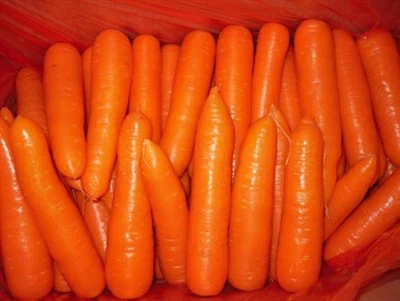
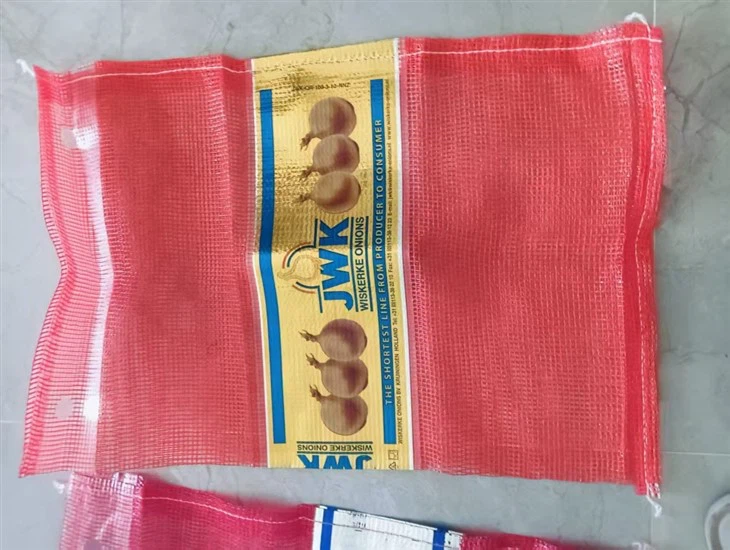
At our company, we supply a wide range of high - quality 50kg woven bags suitable for different applications. We offer Onion Woven Bags, Carrot Woven Bags, and Garlic Woven Bags, all designed with durability in mind to support multiple uses.
We understand that reusing bags requires careful consideration of the factors mentioned above. That's why we are committed to providing our customers with detailed information on proper handling, cleaning, and storage techniques to maximize the reusability of our products.
If you are interested in purchasing our 50kg woven bags or have any questions about their reuse, we encourage you to reach out to us for a detailed discussion. Our team of experts is ready to assist you in finding the best packaging solutions for your needs while also helping you make the most of the reusability potential of our products.
References
- "Polypropylene: Properties, Processing, and Applications" by M. Xanthos.
- "Sustainable Packaging: Strategies for Reducing Environmental Impact" by various industry experts.
- Research papers on the environmental and economic aspects of reusable packaging in the Journal of Packaging Science and Technology.