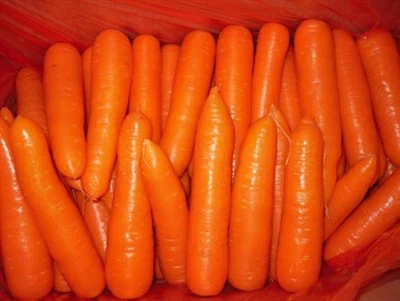
As a supplier of Carrot Size M, I often receive inquiries from customers about the characteristics and cultivation of our carrots. One question that comes up frequently is whether Carrot Size M can cross - pollinate with other carrot varieties. In this blog post, I'll delve into this topic to provide you with a comprehensive understanding.
Understanding Carrot Pollination Basics
Carrots are biennial plants, which means they have a two - year life cycle. In the first year, they focus on vegetative growth, developing the root that we commonly consume. In the second year, they bolt, sending up a flower stalk. Carrots are insect - pollinated plants, mainly by bees and other flying insects. These insects transfer pollen from the male parts (anthers) of one flower to the female parts (stigmas) of another flower, facilitating fertilization.
Can Carrot Size M Cross - Pollinate with Other Varieties?
The short answer is yes. Carrot Size M can cross - pollinate with other carrot varieties. All carrot varieties belong to the same species, Daucus carota. When different carrot varieties flower at the same time and are in close proximity, there is a high probability of cross - pollination.
Let's take a look at some scenarios. If you have a field where Carrot Size M is growing alongside Carrot Size S or Carrot Size L, and they all reach the flowering stage simultaneously, insects will move freely between the different varieties, carrying pollen from one to the other.
The implications of cross - pollination are significant, especially for seed production. If you are growing carrots for seed, cross - pollination can lead to hybrid offspring. These hybrids may have different characteristics from the parent varieties, such as changes in size, shape, color, or taste. For example, if Carrot Size M crosses with Carrot Size S, the resulting seeds may produce carrots that are smaller than the typical Carrot Size M but larger than Carrot Size S.
Factors Affecting Cross - Pollination
Several factors influence the likelihood and extent of cross - pollination between Carrot Size M and other varieties:
- Proximity: The closer the different carrot varieties are planted, the more likely cross - pollination will occur. Insects are more likely to visit nearby flowers, so if Carrot Size M is planted in close rows with other varieties, the chances of cross - pollination increase.
- Flowering Time: For cross - pollination to happen, the different varieties must be in flower at the same time. If the flowering periods of Carrot Size M and another variety do not overlap, cross - pollination is less likely.
- Insect Activity: The presence and activity of pollinating insects play a crucial role. Areas with a high density of bees and other pollinators will have a higher rate of cross - pollination.
Managing Cross - Pollination
If you are a grower and want to maintain the purity of Carrot Size M, there are several strategies you can employ:
- Isolation: Plant Carrot Size M at a sufficient distance from other carrot varieties. The recommended isolation distance can vary depending on the level of purity required, but generally, a distance of several hundred meters can significantly reduce the chances of cross - pollination.
- Timing: Stagger the planting of different carrot varieties so that their flowering periods do not overlap. This can be achieved by carefully planning the sowing dates.
- Netting: Using fine - mesh netting to cover the carrot plants can prevent insects from accessing the flowers, thus reducing the risk of cross - pollination. However, this method requires careful management to ensure proper ventilation and pollination if you still want to produce seeds.
Benefits of Cross - Pollination
While cross - pollination can be a concern for maintaining variety purity, it also has some potential benefits. Cross - pollination can introduce genetic diversity, which can lead to the development of new and improved carrot varieties. For example, a cross between Carrot Size M and another variety might result in a carrot with better disease resistance, higher yield, or improved flavor.
Our Carrot Size M Offerings
At our company, we take great pride in providing high - quality Carrot Size M. Our carrots are carefully cultivated using the latest agricultural techniques to ensure optimal growth and quality. We understand the importance of maintaining the purity of our Carrot Size M, and we take all necessary measures to prevent cross - pollination during the seed production process.
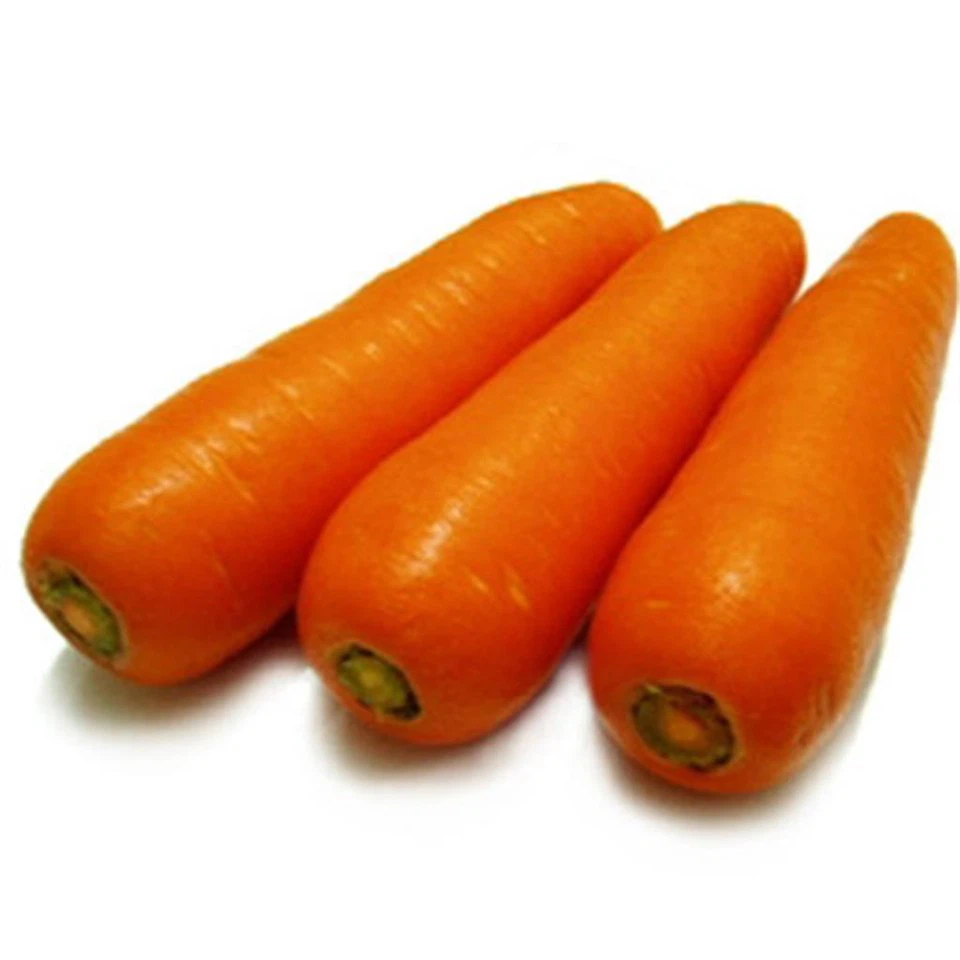
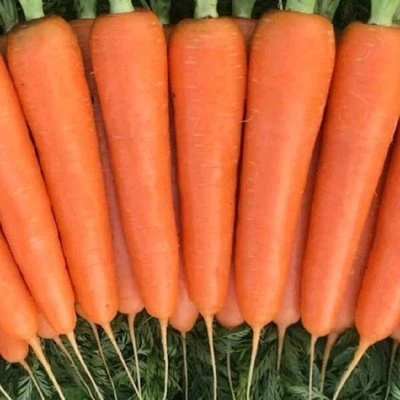
Our Carrot Size M is known for its uniform size, excellent flavor, and high nutritional value. It is suitable for a wide range of applications, from fresh consumption to processing into various food products. Whether you are a grocery store, a food manufacturer, or a restaurant, our Carrot Size M can meet your needs.
Contact Us for Purchasing
If you are interested in purchasing our Carrot Size M, we would be more than happy to discuss your requirements. We offer competitive prices, reliable delivery, and excellent customer service. Whether you need a small quantity for a local market or a large order for a major food company, we can accommodate your needs.
Please feel free to reach out to us to start a conversation about your carrot procurement. We look forward to working with you and providing you with the best Carrot Size M available in the market. You can learn more about our Carrot Size M on our website.
References
- Simon, P. W., & Strand, A. E. (2010). Genetic resources of carrot. In Genetic Resources, Chromosome Engineering, and Crop Improvement (Vol. 5, pp. 31 - 62). CRC Press.
- Rubatzky, V. E., Yamaguchi, M., & Quiros, C. F. (1999). Carrots and related vegetables: Biology and processing. CABI.