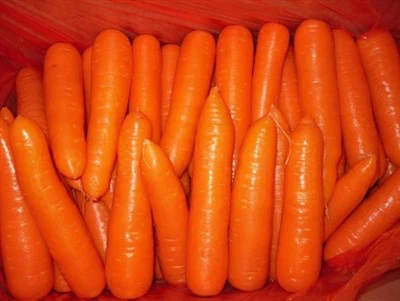
Can I Grow Graded Carrots in Partial Shade?
As a supplier of graded carrots, I often get asked about the ideal growing conditions for these vibrant root vegetables. One question that comes up frequently is whether it's possible to grow graded carrots in partial shade. In this blog post, I'll delve into this topic, exploring the science behind carrot growth and how partial shade can impact the process.
Understanding Carrot Growth Requirements
Before we discuss partial shade, let's first understand the basic requirements for growing healthy carrots. Carrots are cool-season crops that thrive in well-drained, loose soil with a pH between 6.0 and 6.8. They require consistent moisture but are sensitive to waterlogging, which can lead to root rot.
Sunlight is a crucial factor in carrot growth. Carrots, like all plants, use sunlight in the process of photosynthesis to produce energy. During photosynthesis, plants convert light energy into chemical energy, which is used to fuel growth and development. Adequate sunlight is essential for the production of carbohydrates, which are stored in the carrot roots, giving them their characteristic sweetness and crunch.
The Impact of Partial Shade on Carrot Growth
Partial shade is defined as an area that receives 3 to 6 hours of direct sunlight per day. While carrots are typically considered full-sun plants, which require at least 6 hours of direct sunlight daily, they can tolerate some shade. However, growing carrots in partial shade comes with both advantages and disadvantages.
Advantages of Partial Shade
- Cooler Temperatures: In regions with hot summers, partial shade can help protect carrots from the scorching sun. High temperatures can cause carrots to bolt (go to seed prematurely) and can also lead to tough, woody roots. Partial shade can keep the soil cooler, which is beneficial for carrot growth.
- Reduced Water Evaporation: Less sunlight means less evaporation, which can help maintain soil moisture. This is particularly useful in areas with low rainfall or where water conservation is a concern.
Disadvantages of Partial Shade
- Slower Growth: With less sunlight, carrots will photosynthesize at a slower rate, resulting in slower growth. This means it may take longer for the carrots to reach maturity, and they may be smaller in size compared to those grown in full sun.
- Weaker Plants: Carrots grown in partial shade may have weaker stems and foliage, making them more susceptible to pests and diseases. Additionally, the reduced sunlight can lead to a lower sugar content in the carrots, affecting their flavor.
Growing Graded Carrots in Partial Shade
If you decide to grow graded carrots in partial shade, there are several steps you can take to ensure a successful harvest.
Choose the Right Variety
Not all carrot varieties are created equal when it comes to shade tolerance. Some varieties are more adaptable to partial shade than others. Look for varieties that are known for their short growing season and compact size, as these are more likely to perform well in less sunlight. For example, 'Thumbelina' is a small, round carrot variety that is well-suited for growing in containers or in partial shade.
Prepare the Soil
As mentioned earlier, carrots prefer well-drained, loose soil. Amend the soil with organic matter such as compost or well-rotted manure to improve its texture and fertility. This will help the carrots develop strong, healthy roots.
Planting and Spacing
When planting carrots in partial shade, it's important to space them properly to ensure they have enough room to grow. Crowded carrots will compete for nutrients and sunlight, resulting in stunted growth. Follow the recommended spacing guidelines for the variety you are planting.
Watering and Fertilizing
Consistent moisture is key when growing carrots in partial shade. Water the carrots regularly, keeping the soil evenly moist but not waterlogged. Avoid overhead watering, as this can lead to fungal diseases. Instead, use a soaker hose or drip irrigation system to deliver water directly to the soil.
Fertilize the carrots with a balanced fertilizer, such as a 10-10-10 or 5-10-10 formula, at the time of planting. Avoid over-fertilizing, as this can cause the carrots to develop forked or misshapen roots.
Monitoring and Maintenance
Keep an eye on your carrots for signs of pests and diseases. Common pests that affect carrots include carrot rust fly, aphids, and nematodes. If you notice any signs of infestation, take appropriate measures to control the pests.
Regularly weed the carrot bed to prevent competition for nutrients and water. Mulching around the carrots can help suppress weeds and retain soil moisture.
Graded Carrots: Sizes and Qualities
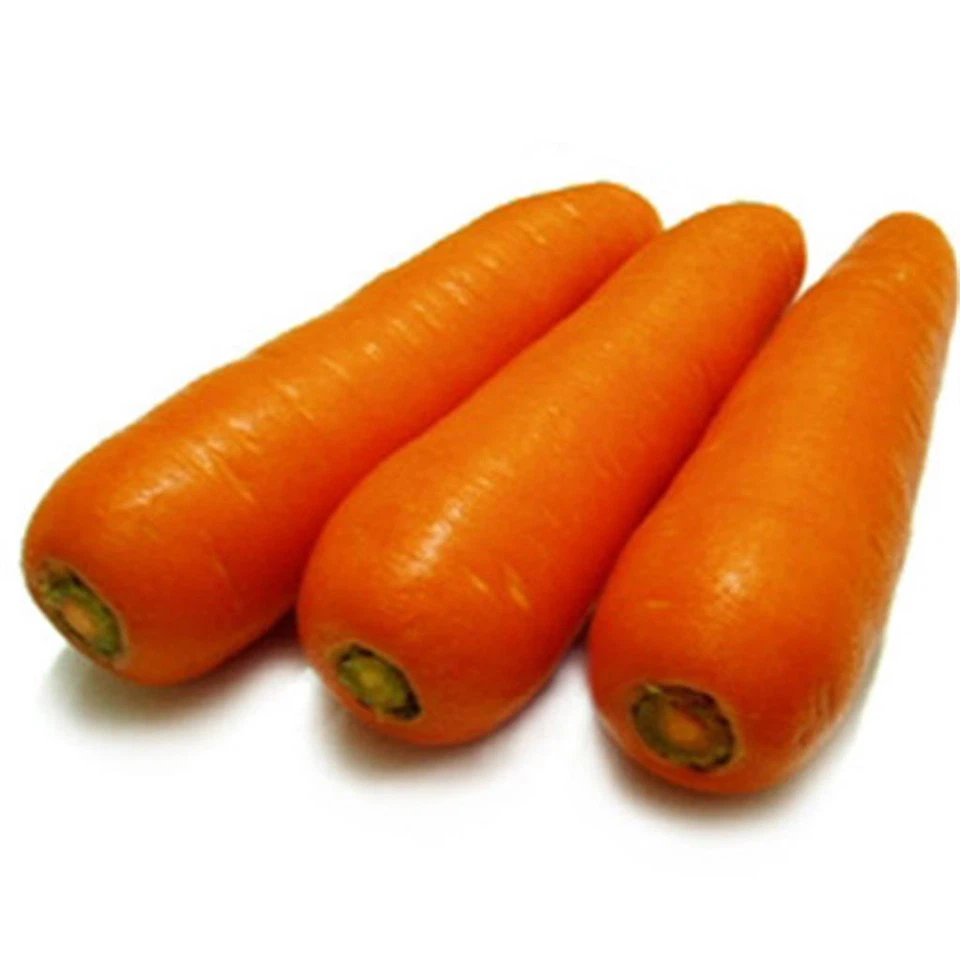
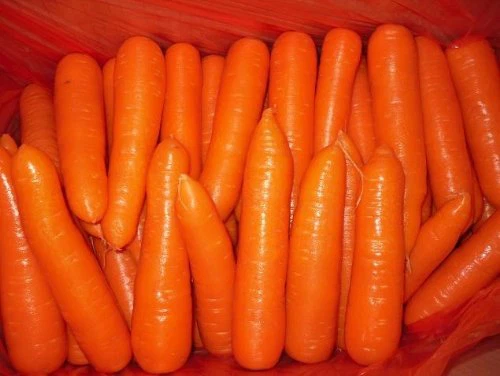
At our supply, we offer graded carrots in different sizes to meet the diverse needs of our customers. Our graded carrots are carefully sorted and packed to ensure consistent quality. Here are the different sizes we offer:
- Carrot Size S: These are small-sized carrots, perfect for snacking or adding to salads.
- Carrot Size M: Medium-sized carrots are versatile and can be used in a variety of dishes, from soups and stews to roasted vegetables.
- Carrot Size L: Large carrots are great for juicing or for making carrot sticks.
Conclusion
In conclusion, while it is possible to grow graded carrots in partial shade, it comes with its challenges. By choosing the right variety, preparing the soil, and providing proper care, you can still achieve a successful harvest. However, keep in mind that carrots grown in partial shade may be smaller and have a lower sugar content compared to those grown in full sun.
If you're interested in purchasing our graded carrots, we invite you to contact us for more information and to discuss your procurement needs. We're committed to providing high-quality carrots that meet the standards of our customers.
References
- "Carrots: Planting, Growing, and Harvesting Carrots at Home." Almanac.com.
- "Growing Carrots." University of Minnesota Extension.
- "Carrot Cultivars for the Home Garden." North Carolina State University Extension.