


Hey there! I'm a supplier of graded carrots, and I often get asked if it's possible to grow these beauties in sandy soil. Well, let's dig into this topic and find out!
First off, sandy soil has its own set of characteristics. It's well - drained, which means water doesn't stick around for too long. That can be a good thing because carrots don't like to have their feet wet for too long. Excess water can lead to root rot, and that's a big no - no when you're trying to grow nice, healthy graded carrots.
But sandy soil also has its drawbacks. It doesn't hold nutrients very well. Carrots need a good supply of nutrients like nitrogen, phosphorus, and potassium to grow big and strong. Since sandy soil is a bit of a leaker when it comes to nutrients, we need to be extra careful about fertilizing.
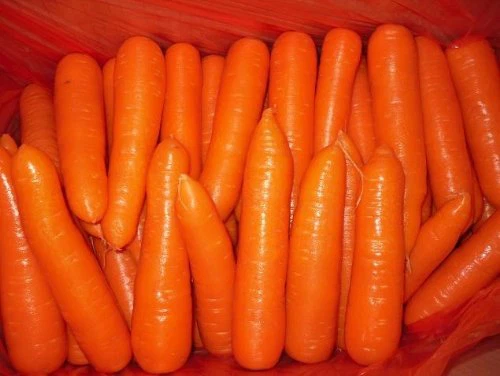
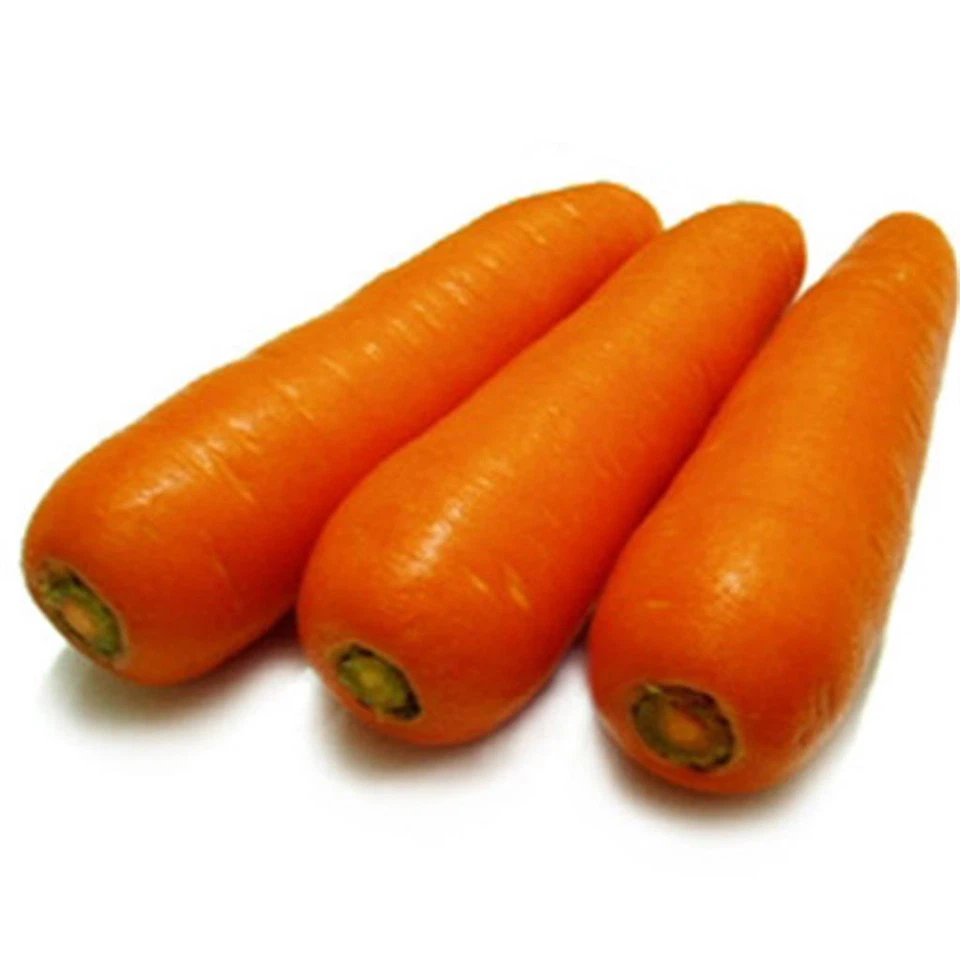
When it comes to growing graded carrots, size matters. We have different grades like Carrot Size S, Carrot Size M, and Carrot Size L. Each size has its own market demand, and we want to make sure we can produce them all in the best possible way.
Let's talk about the preparation of sandy soil for carrot growing. Before planting, it's a good idea to add some organic matter. Compost is a great option. It helps to improve the soil structure, making it better at holding both water and nutrients. You can mix in a few inches of compost into the top layer of the sandy soil. This will give your carrots a better start.
Another thing to consider is the pH level of the soil. Carrots prefer a slightly acidic to neutral pH, around 6.0 - 7.0. You can test the soil's pH using a simple soil testing kit. If the pH is off, you can adjust it by adding lime to raise the pH or sulfur to lower it.
Now, when it comes to planting the carrots in sandy soil, spacing is crucial. Since sandy soil drains quickly, the carrots might need a bit more space to access enough water and nutrients. For smaller graded carrots like Carrot Size S, you can space them about 1 - 2 inches apart. For Carrot Size M, 2 - 3 inches, and for Carrot Size L, 3 - 4 inches.
Watering is also a key factor. In sandy soil, the water can quickly seep down below the root zone. So, you need to water more frequently but in smaller amounts. A drip irrigation system can be really helpful here. It delivers water directly to the root area, reducing waste and ensuring that the carrots get a consistent supply of moisture.
Fertilizing is an ongoing process. You can start with a slow - release fertilizer when you prepare the soil. Then, as the carrots grow, you might need to give them a boost with a liquid fertilizer every few weeks. Just be careful not to over - fertilize, especially with nitrogen. Too much nitrogen can lead to lots of leaf growth at the expense of root development.
One of the challenges with growing graded carrots in sandy soil is the shape. Sandy soil can sometimes be a bit too loose, which might cause the carrots to grow crooked or misshapen. To combat this, you can gently firm the soil around the carrots as they start to grow. This gives them a more stable environment to develop straight roots.
Pest and disease management is also important. Sandy soil doesn't necessarily protect you from pests and diseases. Carrot flies are a common problem. You can use row covers to keep them away from your carrots. Also, make sure to keep the area around the carrots clean and free of debris, as this can harbor pests and diseases.
Now, let's talk about the benefits of growing graded carrots in sandy soil. The well - drained nature of sandy soil can actually lead to carrots with a nice, sweet flavor. Since the roots aren't sitting in waterlogged conditions, they can develop their natural sugars more effectively. And because the soil warms up faster in the spring, you can plant your carrots a bit earlier than in heavier soils.
In terms of harvesting, you need to be careful. Since the soil is loose, the carrots can be a bit easier to pull out. But you still want to be gentle to avoid breaking them. Once you've harvested your graded carrots, you can sort them into different sizes and get them ready for the market.
As a graded carrot supplier, I've seen both the challenges and rewards of growing in sandy soil. It takes a bit more effort in terms of soil management, but it's definitely possible to grow high - quality graded carrots. If you're a farmer thinking about growing graded carrots in sandy soil, don't be discouraged. With the right techniques and a bit of patience, you can produce some great - looking and great - tasting carrots.
If you're in the market for high - quality graded carrots, whether it's Carrot Size S, Carrot Size M, or Carrot Size L, I'd love to talk to you. We can discuss your specific needs and how we can work together to meet them. Just reach out, and let's start a conversation about your carrot requirements.
References:
- "The Vegetable Gardener's Bible" by Edward C. Smith
- "Carrot Production Guide" from the local agricultural extension service


