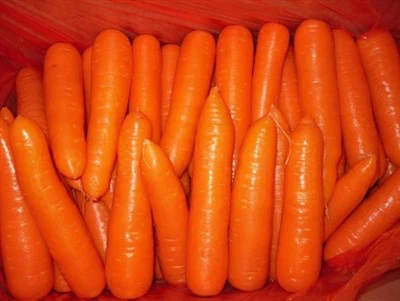
As a supplier of graded carrots, I often get asked whether graded carrots have a consistent size. It's a valid question, especially for businesses that rely on uniformity in their products. In this blog post, I'll delve into the world of graded carrots, exploring the concept of size consistency, the grading process, and the factors that can influence it.
Understanding Graded Carrots
Graded carrots are classified into different categories based on specific criteria, with size being one of the most important factors. The grading process aims to provide consumers and businesses with a clear understanding of what to expect in terms of carrot size, quality, and appearance. This is crucial for various industries, including food service, retail, and food processing, where consistency is key.
The grading system typically includes different sizes, such as small (S), medium (M), and large (L). Each size category has specific dimensions and weight ranges that define it. For instance, Carrot Size S might refer to carrots that are relatively short and slender, while Carrot Size M could represent a more standard-sized carrot, and Carrot Size L would be larger and more substantial.
The Grading Process
The grading of carrots is a meticulous process that involves several steps to ensure accuracy and consistency. It usually begins at the farm, where carrots are harvested at the right stage of maturity. After harvesting, the carrots are cleaned to remove dirt and debris, which can affect the grading process.

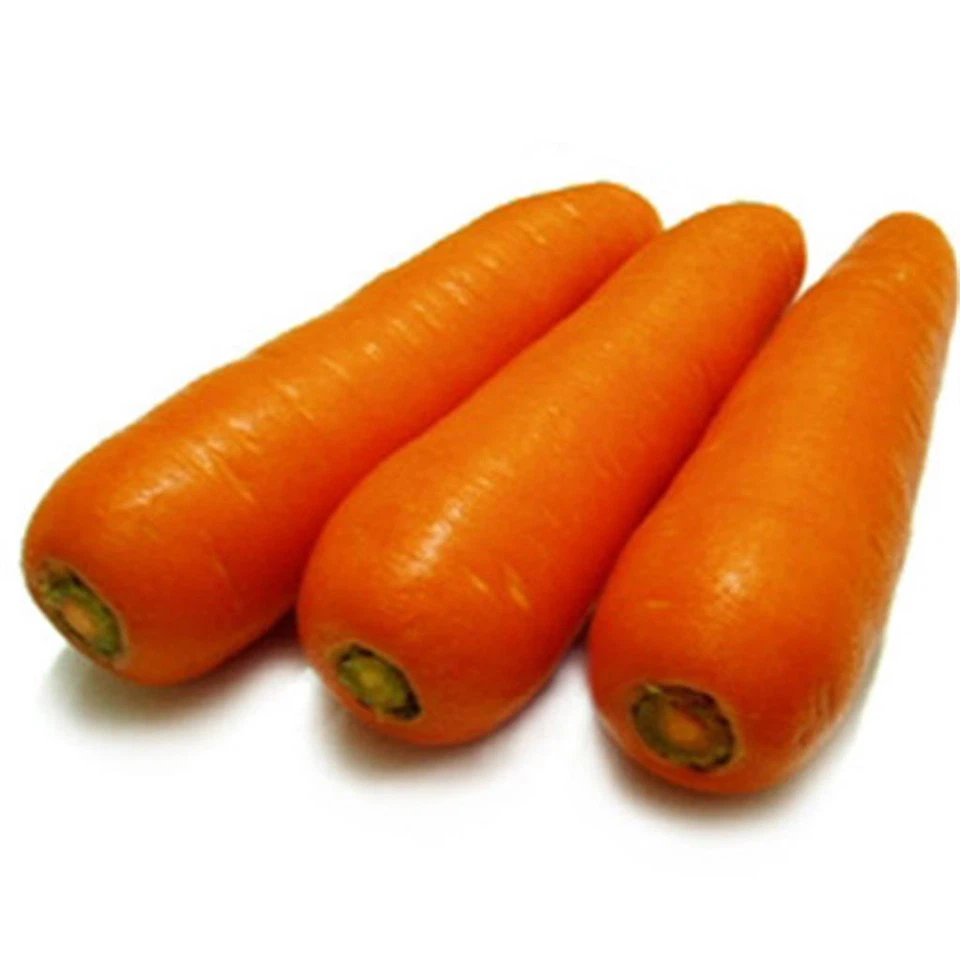
Next, the carrots are sorted using various methods. One common approach is the use of mechanical graders, which are equipped with sieves or rollers of different sizes. These graders can separate carrots based on their diameter and length, allowing for a relatively precise categorization. In some cases, visual inspection is also carried out to ensure that the carrots meet the quality standards for each size category. This may involve checking for defects, such as cracks, bruises, or irregular shapes.
Size Consistency in Graded Carrots
While the grading process is designed to achieve a certain level of size consistency, it's important to note that achieving absolute uniformity is nearly impossible. There are several factors that can influence the size of graded carrots, even within the same size category.
Genetic Variation
Carrot varieties can have inherent genetic differences that affect their growth and size. Some varieties are naturally smaller or larger than others, and even within a single variety, there can be some variation. This genetic diversity is a natural part of plant breeding, and while efforts are made to select for consistent traits, it's not always possible to eliminate all size differences.
Growing Conditions
The environment in which carrots are grown plays a significant role in their size. Factors such as soil quality, water availability, temperature, and sunlight can all impact carrot growth. For example, carrots grown in rich, well - drained soil with adequate water and sunlight are more likely to reach their full potential size. On the other hand, carrots grown in poor soil or under stressful conditions may be smaller or have irregular shapes.
Harvesting Time
The timing of the harvest is crucial. If carrots are harvested too early, they may not have reached their full size. Conversely, if they are left in the ground for too long, they can become over - mature, which can also affect their size and quality. Farmers need to carefully monitor the growth of their carrots and harvest them at the optimal time to ensure the best possible size and consistency.
How We Maintain Size Consistency
As a supplier, we take several measures to minimize size variation and maintain a high level of consistency in our graded carrots.
Variety Selection
We carefully choose carrot varieties that are known for their relatively consistent size and quality. By working with breeders and agricultural experts, we can select varieties that are well - suited to our growing conditions and meet the size requirements of our customers.
Precision Farming
We employ precision farming techniques to optimize the growing conditions for our carrots. This includes soil testing and analysis to ensure that the soil has the right nutrients and pH levels. We also use advanced irrigation systems to provide the right amount of water at the right time, which helps to promote uniform growth.
Quality Control
Our quality control team conducts regular inspections throughout the grading process. They check the size, shape, and quality of the carrots to ensure that they meet our strict standards. Any carrots that do not meet the criteria for a particular size category are removed from the batch, which helps to maintain consistency in the final product.
The Importance of Size Consistency for Our Customers
Size consistency is important for our customers for several reasons.
Food Service Industry
In the food service industry, such as restaurants and catering companies, consistent carrot size is essential for presentation and cooking. Uniformly sized carrots look more appealing on a plate and cook more evenly, which is crucial for maintaining the quality of the dishes. For example, if a restaurant is making a carrot soup, using carrots of consistent size ensures that they will all cook at the same rate, resulting in a smooth and well - balanced soup.
Retailers
Retailers value size consistency because it makes it easier to display and market the carrots. Consumers are more likely to purchase carrots that look uniform and of high quality. Consistent sizing also helps with packaging, as it allows for more efficient use of space and more attractive packaging designs.
Food Processing Companies
Food processing companies rely on consistent carrot size for their manufacturing processes. Whether they are making carrot juice, baby food, or frozen carrot products, having carrots of the same size ensures that the processing equipment can operate efficiently and that the final products have a consistent taste and texture.
Conclusion
While achieving perfect size consistency in graded carrots is a challenge, we are committed to providing our customers with the highest level of uniformity possible. Through careful variety selection, precision farming, and strict quality control, we strive to minimize size variation and meet the needs of our diverse customer base.
If you're in the market for high - quality graded carrots with a focus on size consistency, we'd love to hear from you. Whether you're a restaurant owner, a retailer, or a food processing company, we can provide you with the right product to meet your specific requirements. Contact us to start a conversation about your carrot procurement needs, and let's work together to ensure the success of your business.
References
- Breene, W. M. (1994). Postharvest handling systems for fresh carrots. HortTechnology, 4(3), 274 - 277.
- Simon, P. W. (2000). Carrot genetics and breeding. Horticultural Reviews, 25, 1 - 83.
- Ryder, E. J. (1999). Carrot. In J. Janick & J. E. Simon (Eds.), Advances in new crops (pp. 146 - 150). ASHS Press.