As a supplier of PP woven bags, I often encounter inquiries from customers regarding the anti-static discharge properties of these bags. In this blog post, I will delve into the topic, exploring whether PP woven bags possess good anti-static discharge characteristics, the factors influencing these properties, and the importance of anti-static features in various applications.
Understanding PP Woven Bags
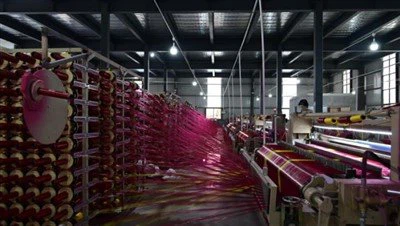
PP, or polypropylene, is a thermoplastic polymer widely used in the manufacturing of woven bags due to its excellent strength, durability, and chemical resistance. PP woven bags are made by weaving flat tapes of polypropylene together, creating a strong and flexible fabric. These bags are commonly used for packaging a variety of products, including agricultural goods, chemicals, and construction materials.
Anti-Static Discharge: What Is It?
Static electricity is the imbalance of electric charges within or on the surface of a material. When two materials come into contact and then separate, electrons can be transferred from one material to the other, creating a static charge. This charge can build up on the surface of an object and may discharge suddenly when it comes into contact with a conductive material, such as a metal object or a person.


Anti-static discharge (ESD) refers to the ability of a material to prevent or reduce the build-up of static electricity and the subsequent discharge. Materials with good anti-static properties are designed to dissipate static charges safely, minimizing the risk of electrostatic discharge events that can cause damage to sensitive electronic components, ignite flammable substances, or cause discomfort to users.
Do PP Woven Bags Have Good Anti-Static Discharge Properties?
The answer to this question is not straightforward, as the anti-static discharge properties of PP woven bags can vary depending on several factors.
Material Composition
Standard PP woven bags are made from polypropylene, which is a non-conductive material. This means that they have a high electrical resistance and can easily accumulate static charges. However, manufacturers can modify the material composition of PP woven bags to improve their anti-static properties.
One common method is to add anti-static agents to the polypropylene resin during the manufacturing process. These agents work by reducing the surface resistivity of the material, allowing static charges to dissipate more easily. Anti-static agents can be either internal or external. Internal anti-static agents are incorporated into the resin during extrusion, while external anti-static agents are applied to the surface of the woven fabric after it is formed.
Surface Treatment
In addition to adding anti-static agents, surface treatments can also be used to enhance the anti-static properties of PP woven bags. For example, the bags can be coated with a conductive material, such as carbon black or a metallic coating, to provide a path for static charges to flow. Another surface treatment option is to apply a hydrophilic coating to the bags, which helps to attract moisture from the air and reduce the build-up of static electricity.
Environmental Conditions
The anti-static discharge properties of PP woven bags can also be affected by environmental conditions, such as humidity and temperature. In dry environments, static charges are more likely to build up on the surface of the bags, as there is less moisture in the air to help dissipate the charges. On the other hand, in high-humidity environments, the moisture in the air can act as a conductor and help to reduce the static charge.
Importance of Anti-Static Properties in PP Woven Bags
The anti-static properties of PP woven bags are crucial in many applications, especially those involving sensitive electronic components, flammable substances, or powders.
Electronic Components
In the electronics industry, static electricity can cause significant damage to sensitive electronic components, such as integrated circuits and printed circuit boards. When a static charge is discharged onto these components, it can create a sudden surge of current that can damage or destroy the components. Using PP woven bags with good anti-static properties can help to protect these components during transportation and storage, reducing the risk of electrostatic discharge damage.
Flammable Substances
In industries where flammable substances are handled, such as the chemical and petroleum industries, static electricity can pose a serious safety hazard. A static discharge can ignite flammable vapors or dust, leading to explosions or fires. PP woven bags with anti-static properties can help to prevent the build-up of static charges and reduce the risk of electrostatic ignition.
Powders
When handling powders, such as flour, cement, or chemicals, static electricity can cause the powders to clump together or stick to the walls of the packaging. This can make it difficult to pour or dispense the powders and can also lead to product loss. PP woven bags with anti-static properties can help to prevent the build-up of static charges on the surface of the powders, reducing the risk of clumping and sticking.
Our PP Woven Bags with Anti-Static Properties
As a supplier of PP woven bags, we offer a range of products with excellent anti-static discharge properties. Our anti-static PP woven bags are manufactured using high-quality polypropylene resin and are treated with advanced anti-static agents to ensure effective static dissipation.
We offer a variety of sizes and styles of anti-static PP woven bags to meet the specific needs of our customers. Whether you need 20kgWoven Bags for packaging small quantities of products or 50kgWoven Bags for larger volumes, we have the right solution for you. We also offer Valve Woven Bags, which are ideal for packaging powders and granular materials.
Contact Us for Anti-Static PP Woven Bags
If you are looking for high-quality PP woven bags with good anti-static discharge properties, we would be happy to assist you. Our team of experts can help you choose the right product for your specific application and provide you with competitive pricing and excellent customer service.
Contact us today to discuss your requirements and start a procurement negotiation. We look forward to working with you to meet your packaging needs.
References
- "Polypropylene: Properties, Processing, and Applications" by Christopher V. Stevens
- "Anti-Static Materials and Their Applications" by John A. Milnes
- "Static Electricity in Industry: Detection and Control" by David A. Lawless