As a supplier of Grade A Ginger, I often get asked about the shelf - life of our products, especially when it comes to comparing Grade A Ginger powder with fresh ginger. In this blog, I'll delve into the factors that affect the shelf - life of both forms of ginger and determine whether Grade A Ginger powder truly has a longer shelf - life than fresh ginger.
Understanding Grade A Ginger
Before we jump into the shelf - life comparison, let's first understand what Grade A Ginger is. Grade A Ginger represents the highest quality of ginger available in the market. It is carefully selected based on strict criteria such as size, shape, color, and flavor. The ginger is free from blemishes, diseases, and has a strong, pure ginger aroma. You can learn more about Grade A Ginger on our website.
In contrast, Grade B Ginger and Grade C Ginger have slightly lower quality standards. Grade B Ginger may have minor imperfections, while Grade C Ginger could have more noticeable flaws but still retains the basic ginger properties.
Shelf - life of Fresh Ginger
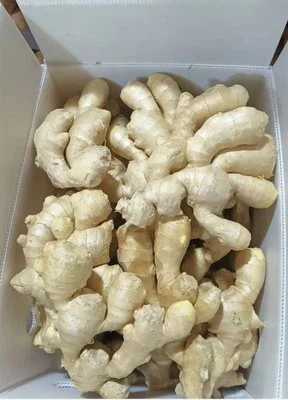
Fresh ginger is a popular ingredient in many cuisines around the world, known for its pungent flavor and numerous health benefits. However, its shelf - life is relatively short compared to many other pantry staples.
The shelf - life of fresh ginger depends on several factors. Firstly, storage conditions play a crucial role. If stored at room temperature, fresh ginger will typically last for about one to two weeks. At room temperature, the ginger is exposed to air, which can cause it to dry out and lose its moisture. Additionally, the warm environment can promote the growth of mold and bacteria, leading to spoilage.
When stored in the refrigerator, the shelf - life of fresh ginger can be extended to about three to four weeks. The cold temperature in the refrigerator slows down the metabolic processes of the ginger, reducing the rate of decay. It is best to store fresh ginger in a paper bag or a perforated plastic bag to allow for some air circulation while keeping it protected from excessive moisture.
If you want to store fresh ginger for an even longer period, freezing is an option. Frozen fresh ginger can last for up to six months. To freeze fresh ginger, simply wash it, pat it dry, and place it in an airtight container or a freezer bag. When you need to use it, you can grate the frozen ginger directly, and it will still retain much of its flavor.
Shelf - life of Grade A Ginger Powder
Grade A Ginger powder is made from high - quality ginger that has been dried and ground into a fine powder. The process of drying and grinding significantly affects its shelf - life.
One of the main reasons why Grade A Ginger powder has a longer shelf - life is the removal of moisture. Moisture is a key factor in the spoilage of food products as it provides a medium for the growth of microorganisms. By drying the ginger, the moisture content is reduced to a level where most bacteria, yeast, and mold cannot survive.
When stored in a cool, dry place away from direct sunlight, Grade A Ginger powder can last for up to two to three years. The powder should be kept in an airtight container to prevent the entry of moisture and air, which can cause the powder to clump and lose its flavor over time.
However, it's important to note that the quality of Grade A Ginger powder will gradually decline over time. The flavor and aroma of the powder may become less intense after the first year of storage. To ensure the best quality, it is recommended to use the powder within the first year of purchase.
Scientific Explanation for the Difference in Shelf - life
From a scientific perspective, the difference in shelf - life between fresh ginger and Grade A Ginger powder can be attributed to the biological and chemical changes that occur in each form.
Fresh ginger is a living organism. Even after it is harvested, it continues to undergo metabolic processes such as respiration. During respiration, the ginger consumes oxygen and produces carbon dioxide and water. This process not only uses up the energy reserves of the ginger but also creates a moist environment that is conducive to the growth of microorganisms.

On the other hand, Grade A Ginger powder is a processed product. The drying process inactivates the enzymes in the ginger that are responsible for the metabolic processes. Without these active enzymes, the powder is more stable and less prone to spoilage. Additionally, the low moisture content in the powder inhibits the growth of bacteria, yeast, and mold, which require water to survive and reproduce.
Practical Considerations for Consumers
When deciding whether to use fresh ginger or Grade A Ginger powder, consumers should consider their usage frequency and storage capabilities.
If you use ginger frequently in your cooking and have easy access to fresh ginger, then fresh ginger may be the better option. Its fresh, vibrant flavor can add a unique touch to your dishes. However, you need to be mindful of its short shelf - life and plan your purchases accordingly.
On the other hand, if you don't use ginger as often or want to have a long - lasting supply on hand, Grade A Ginger powder is a great choice. It is convenient to use and can be easily added to a variety of recipes, including soups, stews, baked goods, and beverages.
Conclusion
In conclusion, Grade A Ginger powder generally has a longer shelf - life than fresh ginger. The process of drying and grinding the ginger into powder reduces the moisture content, inactivates enzymes, and inhibits the growth of microorganisms, all of which contribute to its extended shelf - life.
As a supplier of Grade A Ginger, I am committed to providing high - quality products to my customers. Whether you choose fresh ginger or Grade A Ginger powder, you can be assured of the superior quality of our ginger.
If you are interested in purchasing our Grade A Ginger products, we welcome you to contact us for more information and to discuss your procurement needs. We are always ready to offer the best solutions for your business.
References
- "Food Preservation Principles and Practices" by Robert T. Toledo
- "The Science of Food: An Introduction to Food Science, Technology, and Microbiology" by Robert E. Brackett