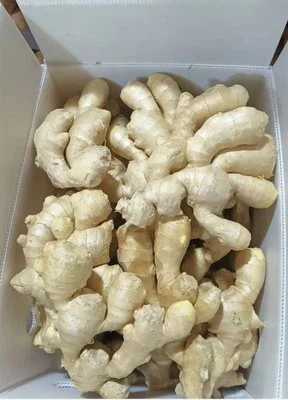
Hey there, fellow ginger enthusiasts! I'm a supplier of Grade A Ginger, and I often get asked, "How often should I water Grade A Ginger when growing it?" Well, let's dive right into this topic and get you all the info you need to grow some top - notch ginger.
First off, if you're not familiar with the different grades of ginger, we've got Grade C Ginger, Grade B Ginger, and of course, our star, Grade A Ginger. Grade A Ginger is the crème de la crème. It's got the best flavor, the highest quality, and is just overall the most sought - after type.
Now, back to the watering question. Ginger is a tropical plant, and it loves a bit of moisture, but it doesn't like to be waterlogged. Think of it like Goldilocks – you want the soil to be just right.
When you first plant your Grade A Ginger, the soil should be moist. This helps the ginger rhizome to start sprouting. After planting, water it lightly every day for the first week or so. This keeps the soil consistently damp, which is ideal for the initial growth phase.
As the ginger starts to grow and develop leaves, you can cut back on the daily watering. At this stage, watering every two to three days is usually sufficient. But here's the catch – you need to take into account the climate and the soil type.
If you're growing your ginger in a hot and dry climate, you might need to water it more often. The heat can cause the soil to dry out quickly, so you may have to water every other day or even daily in extreme cases. On the other hand, if you're in a cooler and more humid climate, you can stretch out the watering intervals. Maybe water every three to four days.
Soil type also plays a huge role. Ginger prefers well - draining soil. If your soil is heavy and clay - like, it will hold onto water for longer. In this case, you need to be extra careful not to over - water. A good test is to stick your finger about an inch into the soil. If it feels dry at that depth, it's time to water. If it's still moist, hold off for a bit.
Once the ginger plants are fully grown and approaching the harvest time, you can reduce the watering even further. Watering once a week or so is usually enough. This helps the ginger to develop a more concentrated flavor and also makes it easier to harvest.
Another thing to keep in mind is the time of day to water. It's best to water your ginger in the morning. This gives the leaves and soil time to dry out during the day. If you water in the evening, the moisture can sit on the leaves overnight, which can lead to fungal diseases.
Now, let's talk about how much water to use. When you water, you want to make sure the water reaches the root zone. A slow, deep watering is better than a quick, shallow one. You can use a soaker hose or a watering can with a long spout to get the water right where it needs to go.
Over - watering can be a real problem for Grade A Ginger. It can lead to root rot, which is a fungal disease that can kill the plant. Signs of over - watering include yellowing leaves, wilting, and a musty smell coming from the soil. If you notice any of these signs, stop watering immediately and let the soil dry out. You may also need to check the drainage of your soil and make some adjustments if necessary.
Under - watering is also not good. If the ginger doesn't get enough water, the leaves will start to curl and turn brown. The growth of the plant will slow down, and the ginger rhizomes may not develop properly.
In summary, the frequency of watering your Grade A Ginger depends on several factors: the growth stage of the plant, the climate, and the soil type. As a general rule, start with daily watering after planting, then adjust to every two to three days as it grows, and reduce to once a week near harvest time. Always check the soil moisture before watering and make sure to water in the morning.
If you're interested in purchasing our high - quality Grade A Ginger, we'd love to hear from you. Whether you're a restaurant owner looking to add some zing to your dishes, a home cook wanting the best ingredients, or a distributor in need of a reliable supplier, we've got you covered. Reach out to us to start a conversation about your procurement needs. We can offer you the freshest, most flavorful Grade A Ginger in the market.

References
- "The Ginger Book: A Guide to Growing, Cooking, and Using Ginger" by Ginger Expert
- "Tropical Plant Care Handbook" by Horticultural Society