As a supplier of Chili Woven Bags, I understand the importance of ensuring the quality of our products. Chili woven bags are widely used in the packaging of chili peppers and other agricultural products, and their quality directly affects the safety and preservation of the contents. In this blog post, I will share some key methods on how to check the quality of chili woven bags.
1. Material Inspection
The first step in checking the quality of chili woven bags is to examine the materials used in their production. High - quality chili woven bags are typically made from polypropylene (PP). PP is a thermoplastic polymer known for its excellent strength, durability, and resistance to moisture and chemicals.
- Visual Inspection: Look at the color and texture of the woven fabric. A good - quality PP woven bag should have a uniform color, without any obvious discoloration or stains. The texture should be smooth and evenly woven, with no loose threads or visible holes. For example, if you notice dark spots or uneven coloring on the bag, it may indicate poor material quality or improper manufacturing processes.
- Tensile Strength Test: Tensile strength is a crucial property of chili woven bags. It measures the maximum amount of stress the bag can withstand before breaking. You can perform a simple in - house test by pulling a small sample of the woven fabric gently but firmly. A high - quality bag should not tear easily. In a more professional setting, a tensile testing machine can be used to accurately measure the tensile strength. The higher the tensile strength, the more durable the bag will be during handling, transportation, and storage.
2. Weaving Density and Pattern
The weaving density and pattern of chili woven bags play a significant role in their overall quality.
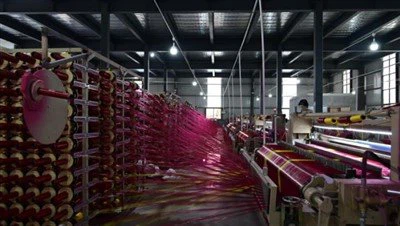
- Weaving Density: The density of the woven fabric is usually measured by the number of warp and weft threads per unit area. A higher weaving density generally means a stronger and more durable bag. You can count the number of threads in a small square area (e.g., 10cm x 10cm) to assess the density. A well - made chili woven bag should have a consistent and relatively high weaving density throughout the entire bag.
- Weaving Pattern: There are different weaving patterns for chili woven bags, such as plain weave and twill weave. Each pattern has its own characteristics. Plain weave is simple and provides good stability, while twill weave offers better flexibility and abrasion resistance. The choice of pattern depends on the specific requirements of the chili packaging. Check that the weaving pattern is regular and free from any irregularities or misweaves.
3. Seam Quality
The seams of chili woven bags are critical areas that can affect the bag's integrity.
- Seam Strength: The seams should be strong enough to hold the bag together under normal use. You can test the seam strength by gently pulling on the seams. A good - quality seam should not come apart easily. In addition, the stitches should be evenly spaced and tightly sewn. Loose or uneven stitches can lead to seam failure during handling.
- Seam Type: There are different types of seams, such as heat - sealed seams and sewn seams. Heat - sealed seams are often used for their air - tightness and strength, especially for bags that need to keep the chili peppers fresh. Sewn seams, on the other hand, are more common and can provide good mechanical strength. Make sure the seam type is appropriate for the intended use of the bag.
4. Printing and Labeling
If the chili woven bags have printing or labeling on them, it is important to check the quality of these elements.
- Print Clarity: The printed text and images should be clear and legible. There should be no smudging, blurring, or missing parts in the print. This is especially important for bags that carry product information, brand logos, or usage instructions.
- Color Fastness: The printed colors should be fast and not fade easily. You can perform a simple test by rubbing a small area of the print with a white cloth. If the color transfers onto the cloth, it indicates poor color fastness, which can be a problem in long - term storage and exposure to sunlight.
5. Size and Dimensions
Accurate size and dimensions are essential for chili woven bags.


- Length and Width: Measure the length and width of the bag using a measuring tape. The actual size should match the specified size within an acceptable tolerance range. Bags that are too small may not be able to hold the required amount of chili peppers, while bags that are too large can be wasteful and difficult to handle.
- Thickness: The thickness of the woven fabric also affects the bag's strength and durability. Use a micrometer to measure the thickness at different points of the bag. Consistent thickness across the bag is a sign of good quality.
6. Resistance to Environmental Factors
Chili woven bags need to withstand various environmental factors during storage and transportation.
- Moisture Resistance: Chili peppers are sensitive to moisture, so the bags should have good moisture - resistant properties. You can conduct a simple moisture test by placing a small amount of water on the surface of the bag and observing how the water behaves. A high - quality bag should prevent the water from seeping through quickly.
- UV Resistance: If the bags are exposed to sunlight during storage or transportation, they should have some level of UV resistance. Prolonged exposure to UV rays can cause the PP material to degrade, leading to reduced strength and durability. Check if the bags are treated with UV stabilizers to enhance their resistance to sunlight.
Conclusion
Checking the quality of chili woven bags is a comprehensive process that involves examining the materials, weaving, seams, printing, size, and environmental resistance. By following these methods, you can ensure that the chili woven bags you purchase or supply meet the required standards.
At our company, we are committed to providing high - quality Chili Woven Bags. We also offer a wide range of other woven bag products, such as Valve Woven Bags and Blue PP Woven Bags. If you are interested in our products or have any questions about chili woven bag quality, please feel free to contact us for further discussion and potential procurement. We look forward to working with you to meet your packaging needs.
References
- ASTM International Standards on Plastic Woven Bags
- Textile Industry Handbook on Woven Fabric Quality Control
- Research Papers on Polypropylene Material Properties for Packaging Applications