In the world of ginger trading, understanding the grading system is crucial for both suppliers and buyers. As a supplier of Grade C Ginger, I've witnessed firsthand the importance of being able to accurately identify this particular grade. In this blog post, I'll share my insights on how to identify Grade C Ginger, and why it's a valuable option in the market.
The Ginger Grading System
Before delving into the specifics of Grade C Ginger, it's essential to understand the broader grading system. Ginger is typically graded into three main categories: Grade A Ginger, Grade B Ginger, and Grade C Ginger. Each grade is determined by a combination of factors, including size, appearance, and quality.
Grade A Ginger is the highest quality, characterized by large, uniform rhizomes with a smooth, unblemished skin. It has a strong, fresh aroma and a high concentration of essential oils, making it ideal for culinary and medicinal uses. Grade B Ginger is slightly lower in quality, with smaller rhizomes and some minor imperfections. It still has a good flavor and aroma, but may not be as visually appealing as Grade A.
Grade C Ginger, on the other hand, is the lowest grade in the standard grading system. It often has smaller, irregularly shaped rhizomes with more visible blemishes, scars, or signs of damage. However, this doesn't mean that Grade C Ginger is of poor quality or has no value. In fact, it can be a cost-effective option for many applications, especially those where appearance is less important than flavor and aroma.
Identifying Grade C Ginger
So, how can you tell if you're looking at Grade C Ginger? Here are some key characteristics to look for:
1. Size and Shape
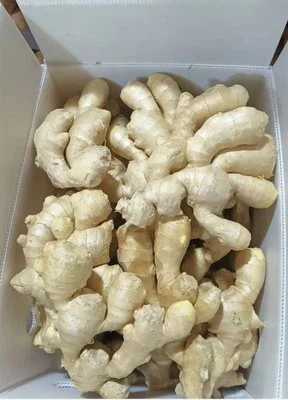
Grade C Ginger typically consists of smaller, more irregularly shaped rhizomes compared to Grade A and Grade B. The rhizomes may be thinner, shorter, or have a more twisted appearance. This is often due to factors such as growing conditions, harvesting methods, or natural variations within the crop.
2. Skin Appearance
One of the most noticeable features of Grade C Ginger is its skin. It may have more blemishes, scars, or discoloration compared to higher grades. These imperfections can be caused by a variety of factors, including insect damage, disease, or physical trauma during harvesting or handling. The skin may also be rougher or more peeling in some areas.
3. Texture
When you touch Grade C Ginger, you may notice that it has a slightly different texture compared to higher grades. It may be a bit more fibrous or have a drier feel. This is because the rhizomes may have lost some of their moisture during storage or transportation. However, this doesn't necessarily affect the flavor or aroma of the ginger.

4. Flavor and Aroma
Despite its appearance, Grade C Ginger still retains a strong, characteristic flavor and aroma. It has a spicy, pungent taste with a hint of sweetness, and a distinctive, earthy aroma. The flavor may be slightly less intense than Grade A or Grade B Ginger, but it is still suitable for many culinary applications.
Uses of Grade C Ginger
While Grade C Ginger may not be as visually appealing as higher grades, it has a wide range of uses in both the culinary and medicinal fields. Here are some common applications:
1. Culinary Uses
Grade C Ginger is often used in cooking, especially in dishes where the ginger is cooked or blended into a sauce or marinade. Its strong flavor and aroma can add a spicy kick to stir-fries, curries, soups, and stews. It can also be used to make ginger tea, ginger ale, or other beverages.
2. Medicinal Uses
Ginger has long been used in traditional medicine for its various health benefits. Grade C Ginger can be used to make ginger extracts, tinctures, or capsules, which are often used to treat nausea, vomiting, indigestion, and other digestive problems. It may also have anti-inflammatory, antioxidant, and antibacterial properties.
3. Industrial Uses
In addition to its culinary and medicinal uses, Grade C Ginger can also be used in the production of various industrial products. For example, it can be used as a flavoring agent in the food and beverage industry, or as an ingredient in the production of cosmetics, soaps, and perfumes.
Why Choose Grade C Ginger?
As a supplier of Grade C Ginger, I often get asked why someone would choose this grade over higher grades. Here are some reasons:
1. Cost-Effectiveness
One of the main advantages of Grade C Ginger is its cost. It is typically less expensive than Grade A or Grade B Ginger, making it a more affordable option for many consumers and businesses. This can be especially beneficial for large-scale users, such as restaurants, food manufacturers, or herbal supplement companies.
2. Availability
Grade C Ginger is often more readily available than higher grades, especially during off-seasons or when there is a shortage of high-quality ginger. This can be an important consideration for businesses that need a consistent supply of ginger to meet their production needs.
3. Sustainability
Choosing Grade C Ginger can also be a more sustainable option. By using ginger that would otherwise be discarded or sold at a lower price, we can reduce food waste and make more efficient use of our resources. This is in line with the growing trend towards sustainability in the food industry.
Conclusion
In conclusion, identifying Grade C Ginger is an important skill for anyone involved in the ginger trade. By understanding its characteristics, uses, and advantages, you can make an informed decision about whether it is the right choice for your needs. Whether you're a chef looking for a cost-effective way to add flavor to your dishes, a herbalist in search of a natural remedy, or a business owner in need of a reliable supply of ginger, Grade C Ginger can be a valuable option.
If you're interested in purchasing Grade C Ginger or have any questions about our products, please feel free to contact me. I'd be happy to discuss your requirements and provide you with more information.
References
- "Ginger: A Review of Potential Health Benefits." Journal of Medicinal Food, Volume 13, Issue 5, 2010.
- "The Chemistry and Biological Activities of Ginger (Zingiber officinale Roscoe)." Molecules, Volume 20, Issue 11, 2015.
- "Ginger and Its Bioactive Compounds: Role in Prevention and Treatment of Gastrointestinal Cancer." Nutrients, Volume 9, Issue 11, 2017.