Onion vinaigrette is a versatile and delicious dressing that can elevate any salad, sandwich, or vegetable dish. As an onion supplier, I've had the privilege of working with onions in various forms and know firsthand how they can transform a simple vinaigrette into a flavor-packed condiment. In this blog post, I'll share a step-by-step guide on how to make onion vinaigrette, along with some tips and variations to suit your taste.
Ingredients
- 1 medium onion: I recommend using a sweet onion like Vidalia or Walla Walla for a milder flavor, but you can also use a red or yellow onion for a more robust taste.
- 1/4 cup red wine vinegar: Red wine vinegar adds a tangy and slightly acidic flavor to the vinaigrette. You can also use white wine vinegar, apple cider vinegar, or balsamic vinegar depending on your preference.
- 1/4 cup olive oil: Olive oil is the base of the vinaigrette and provides a rich and smooth texture. Make sure to use a high-quality extra-virgin olive oil for the best flavor.
- 1 tablespoon Dijon mustard: Dijon mustard adds a creamy and slightly spicy element to the vinaigrette, helping to emulsify the oil and vinegar.
- 1 tablespoon honey or maple syrup: Sweetness balances out the acidity of the vinegar and mustard. You can adjust the amount of sweetener based on your taste.
- 1 clove garlic, minced: Garlic adds a savory and pungent flavor to the vinaigrette. If you're not a fan of garlic, you can omit it or reduce the amount.
- Salt and pepper to taste: Season the vinaigrette with salt and pepper to enhance the flavors.
Step-by-Step Instructions
- Prepare the onion: Peel the onion and thinly slice it. You can use a sharp knife or a mandoline slicer for a more uniform cut. Place the sliced onion in a small bowl and cover it with boiling water. Let it sit for 5 minutes to mellow the flavor. Drain the onion and pat it dry with a paper towel.
- Make the vinaigrette base: In a medium bowl, whisk together the red wine vinegar, Dijon mustard, honey or maple syrup, and minced garlic. Whisk until the ingredients are well combined.
- Add the oil: Slowly drizzle the olive oil into the bowl while whisking constantly. Continue whisking until the vinaigrette is emulsified and has a smooth, creamy texture.
- Incorporate the onion: Add the sliced onion to the vinaigrette and stir well to combine. Let the vinaigrette sit for at least 15 minutes to allow the flavors to meld.
- Season to taste: Taste the vinaigrette and adjust the seasoning with salt and pepper as needed. You can also add a pinch of red pepper flakes or a splash of lemon juice for extra flavor.
- Store the vinaigrette: Transfer the onion vinaigrette to a jar or airtight container. It can be stored in the refrigerator for up to 1 week. Shake well before using.
Tips and Variations
- Use different types of onions: Experiment with different types of onions, such as shallots or green onions, to create unique flavor profiles. Shallots are milder and sweeter than regular onions, while green onions add a fresh and herbaceous flavor.
- Adjust the acidity: If you prefer a more acidic vinaigrette, you can increase the amount of vinegar or add a splash of lemon juice. For a milder vinaigrette, reduce the amount of vinegar or use a milder type of vinegar.
- Add herbs and spices: You can enhance the flavor of the vinaigrette by adding fresh herbs like parsley, basil, or thyme. You can also add spices like smoked paprika, cumin, or chili powder for a more adventurous flavor.
- Make a creamy vinaigrette: If you prefer a creamier vinaigrette, you can add a small amount of Greek yogurt or mayonnaise to the mixture. This will give the vinaigrette a thicker consistency and a richer flavor.
Serving Suggestions
- Salads: Onion vinaigrette is the perfect dressing for any type of salad, from a simple green salad to a more complex chicken or tuna salad. Drizzle it over your favorite greens, vegetables, and proteins for a burst of flavor.
- Sandwiches and wraps: Use onion vinaigrette as a spread for sandwiches and wraps. It pairs well with turkey, ham, roast beef, and vegetables, adding a tangy and savory element to your meal.
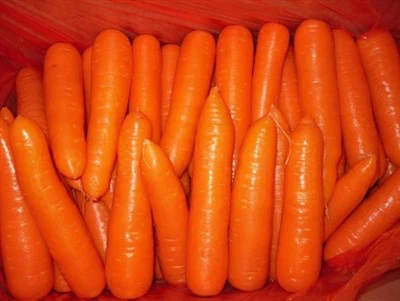
- Vegetables: You can use onion vinaigrette as a dipping sauce for raw vegetables like carrots Carrots 5kg Carton and Carrots 10kg Carton, cucumbers, and bell peppers. It also makes a great marinade for grilled or roasted vegetables.
Conclusion
Making onion vinaigrette is a simple and rewarding process that allows you to customize the flavor according to your preferences. As an onion supplier, I encourage you to experiment with different types of onions and ingredients to create your own unique vinaigrette. Whether you're a professional chef or a home cook, onion vinaigrette is a versatile and delicious condiment that will take your dishes to the next level.
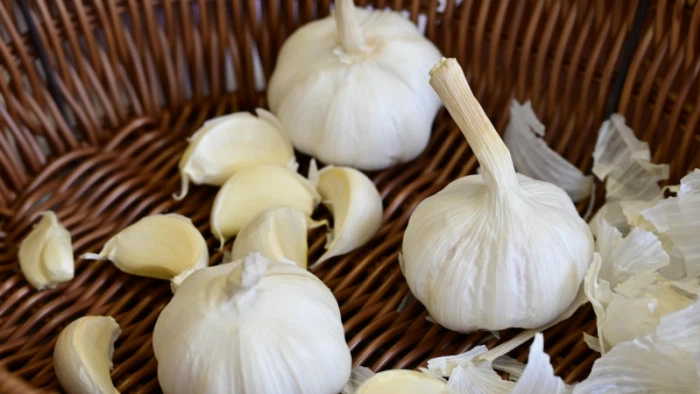

If you're interested in purchasing high-quality onions for your vinaigrette or other culinary creations, please don't hesitate to reach out. We're committed to providing the freshest and most flavorful onions to help you create delicious meals. And if you're also in need of garlic for your recipes, consider our Seed Garlic, which is of excellent quality. Contact us to start a procurement discussion and discover how our products can enhance your culinary experiences.
References
- "French Dressing Recipes." Taste of Home. Accessed [Date Accessed].
- "Vinaigrette Basics." Epicurious. Accessed [Date Accessed].