Hey there! I'm a supplier of 50kg woven bags, and I often get asked about the best ways to store these bags in cold environments. It's a crucial topic because improper storage can lead to all sorts of issues, from damage to the bags themselves to problems with the products they're holding. So, let's dive right in and explore some effective strategies for storing 50kg woven bags in the cold.
First off, understand the nature of woven bags. These bags are typically made from polypropylene (PP), which is a durable and versatile material. But in cold temperatures, PP can become more brittle. This means that if you're not careful, the bags might crack or tear more easily.
One of the most important things is to choose the right storage location. You want a place that's dry and well - ventilated. Cold air can hold less moisture, but if there's any humidity in the storage area, it can condense on the bags. This moisture can not only weaken the bags but also cause issues if the stored products are sensitive to dampness.
A warehouse is a great option for storing 50kg woven bags. Make sure the warehouse has proper insulation. Insulation helps to maintain a more stable temperature inside. You don't want extreme temperature fluctuations, as these can also stress the bags. For example, if the bags are exposed to very cold air during the night and then sudden warmth during the day, it can cause the material to expand and contract, leading to wear and tear.
If you're using a warehouse, consider using pallet racks. Stacking the 50kg woven bags on pallets keeps them off the ground. The ground can be colder and damper, and by keeping the bags on pallets, you reduce the risk of moisture seeping into the bottom bags. Also, proper stacking on pallet racks allows for better air circulation around the bags, which helps to prevent any moisture build - up.
When it comes to stacking the bags, be careful not to stack them too high. In a cold environment, the bags are more brittle, and a tall stack can put a lot of pressure on the bottom bags. This pressure can cause the bags at the bottom to deform or even break. A good rule of thumb is to limit the stack height based on the strength of the bags and the stability of the pallet racks.
Another thing to keep in mind is protection from sunlight. Even in a cold environment, sunlight can have an impact on the woven bags. UV rays can degrade the polypropylene material over time. So, if your storage area has windows or any exposure to sunlight, consider using curtains or blinds to block the sunlight. You can also look into UV Stabilized Woven Bags, which are designed to be more resistant to UV damage.
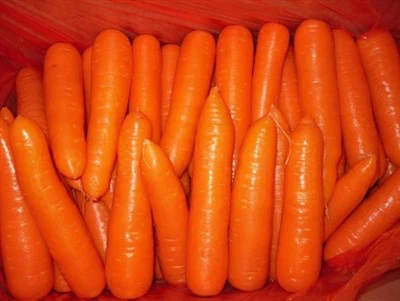
Let's talk about the products inside the 50kg woven bags. Different products have different storage requirements. For example, if you're storing food products like grains or Carrot Woven Bags, you need to ensure that the storage conditions are suitable for these items. Some food products might require a specific temperature range to prevent spoilage. In a cold environment, make sure the temperature doesn't drop too low, as this can also affect the quality of the food.
For non - food products, the considerations are a bit different. For instance, if you're storing chemicals or fertilizers in the 50kg woven bags, you need to make sure that the cold doesn't cause any chemical reactions or changes in the product's properties. Some chemicals can become more viscous or even solidify in cold temperatures, which can make them difficult to handle when it's time to use them.
If you're dealing with white PP woven bags, like White PP Woven Bags, they might be more prone to showing dirt and stains. In a cold storage environment, it's important to keep the area clean to maintain the appearance of these bags. A dirty bag can give a bad impression, especially if you're supplying them to customers who value the aesthetic aspect.
Now, let's touch on inventory management. In a cold storage environment, it's crucial to have a good inventory management system. You want to be able to rotate your stock effectively. First - in, first - out (FIFO) is a common inventory management method. This means that the bags that were stored first should be the ones that are used or shipped out first. This helps to prevent any bags from sitting in storage for too long, which can increase the risk of damage in the cold environment.
Regular inspections are also a must. Check the bags for any signs of damage, such as cracks, tears, or discoloration. If you notice any issues, address them immediately. You might need to transfer the products to new bags or take other corrective actions. Inspections should be done on a scheduled basis, perhaps weekly or monthly depending on the size of your inventory.


In addition to the physical storage conditions, consider the packaging of the woven bags themselves. If possible, use outer packaging or shrink - wrapping to provide an extra layer of protection. This can help to keep out moisture and dust, and also provides some cushioning in case of any minor impacts.
Finally, if you're looking to purchase high - quality 50kg woven bags for your business, whether it's for storing food, chemicals, or other products, I'm here to help. I've got a wide range of options, including the UV - stabilized, white PP, and carrot woven bags I mentioned earlier. If you're interested in discussing your specific needs and requirements, feel free to reach out and we can start a great business partnership.
References
- "Polypropylene Woven Bags: Properties and Applications" - A technical guide on the characteristics of polypropylene woven bags.
- "Cold Storage Best Practices" - A report on general best practices for storing goods in cold environments.