In the world of ginger trade, the classification of ginger into different grades plays a pivotal role in determining its market value. As a seasoned Grade B Ginger supplier, I've witnessed firsthand the fluctuations in price and the factors that drive these changes. In this blog, I'll delve into the price range of Grade B Ginger, exploring the elements that influence its cost and providing insights for potential buyers.
Understanding Ginger Grades
Before we discuss the price range of Grade B Ginger, it's essential to understand how ginger is graded. Ginger is typically classified into three main grades: Grade A, Grade B, and Grade C. Each grade is determined by a set of quality criteria, including size, shape, color, and the presence of defects.
Grade A Ginger is the highest quality grade, characterized by large, uniform rhizomes with a smooth surface and minimal blemishes. It's often used in high - end culinary applications, such as fine dining restaurants and premium food products.
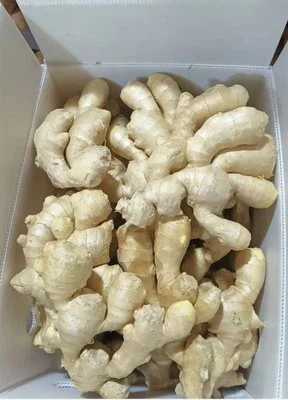
Grade B Ginger falls in the middle of the quality spectrum. It may have slightly smaller or less uniform rhizomes compared to Grade A, and there could be minor surface imperfections. However, it still maintains a good flavor and aroma, making it suitable for a wide range of uses, from home cooking to commercial food processing.

Grade C Ginger is the lowest grade, with smaller, irregularly shaped rhizomes and more noticeable defects. It's commonly used in products where appearance is less important, such as ginger powder or extracts.
Factors Affecting the Price of Grade B Ginger
The price of Grade B Ginger is influenced by a multitude of factors, both on the supply and demand sides of the market.
Supply - Side Factors
- Harvest Yield: The amount of ginger harvested each season has a direct impact on its price. A bumper harvest can lead to an oversupply of Grade B Ginger, driving prices down as suppliers compete to sell their products. Conversely, a poor harvest due to adverse weather conditions, pests, or diseases can result in a shortage, causing prices to rise.
- Production Costs: The cost of producing Grade B Ginger includes expenses such as land, labor, fertilizers, pesticides, and irrigation. Rising production costs, for example, due to increased labor wages or higher prices of agricultural inputs, can push up the price of the final product.
- Transportation and Storage: Ginger needs to be transported from the farms to the processing facilities and then to the markets. The cost of transportation, including fuel prices and shipping fees, can add to the overall price of Grade B Ginger. Additionally, proper storage conditions are crucial to maintain the quality of ginger, and the cost of storage facilities also affects the price.
Demand - Side Factors
- Consumer Preferences: The demand for Grade B Ginger is influenced by consumer preferences and trends. In recent years, there has been a growing interest in natural and healthy food products, which has increased the demand for ginger. If consumers prefer Grade B Ginger for its affordability and good quality, the demand will be high, leading to higher prices.
- Seasonal Demand: Ginger is often used in seasonal dishes and beverages. For example, during the winter months, there is a higher demand for ginger in hot drinks and warming soups. This seasonal demand can cause fluctuations in the price of Grade B Ginger throughout the year.
- Industrial Demand: The food processing industry is a major consumer of Grade B Ginger. The demand from food manufacturers, who use ginger in products such as sauces, candies, and snacks, can also impact the price. If there is an increase in the production of these products, the demand for Grade B Ginger will rise, affecting its market price.
Price Range of Grade B Ginger
The price range of Grade B Ginger can vary significantly depending on the factors mentioned above. On average, the price of Grade B Ginger per kilogram can range from $2 to $5 in the domestic market. However, this price can be higher or lower depending on the region, season, and market conditions.
In some areas where ginger is abundantly produced, the price may be closer to the lower end of the range. For example, in countries with large - scale ginger cultivation, such as India and China, the local supply of Grade B Ginger is relatively high, which can keep the prices competitive. On the other hand, in regions where ginger is not grown locally or where there are high import costs, the price of Grade B Ginger can be closer to the upper end of the range.
It's also important to note that the price of Grade B Ginger can change over time. For instance, during the peak harvest season, when there is a large supply of ginger in the market, the price may drop. Conversely, during periods of low supply, such as after a natural disaster or during the off - season, the price can increase.
Comparing Grade B Ginger with Other Grades
When considering the price of Grade B Ginger, it's useful to compare it with the prices of Grade A and Grade C Ginger. As mentioned earlier, Grade A Ginger is of higher quality and commands a higher price. On average, Grade A Ginger can cost around $5 to $8 per kilogram, which is significantly more expensive than Grade B Ginger. This price difference is due to the superior quality and appearance of Grade A Ginger, which makes it more suitable for high - end applications.
On the other hand, Grade C Ginger is the most affordable option, with a price range of approximately $1 to $3 per kilogram. The lower price is a reflection of its lower quality and the presence of more defects. While it may not be suitable for fresh consumption, Grade C Ginger is still valuable for industrial uses where appearance is not a major concern.
Tips for Buying Grade B Ginger
If you're interested in purchasing Grade B Ginger, here are some tips to keep in mind:
- Source from Reputable Suppliers: As a supplier myself, I know the importance of quality control. Look for suppliers who have a good reputation for providing high - quality Grade B Ginger. You can ask for samples to assess the quality before making a purchase.
- Consider the Quantity: Buying in bulk can often result in cost savings. If you have a large - scale need for Grade B Ginger, such as for a food processing business, negotiating a bulk purchase with a supplier can help you get a better price.
- Check the Market Conditions: Keep an eye on the market conditions and price trends. By understanding the factors that affect the price of Grade B Ginger, you can make informed decisions about when to buy.
Contact for Purchase and Negotiation
If you're interested in purchasing Grade B Ginger or have any questions about its price and quality, I'd be more than happy to assist you. Feel free to reach out to me for further discussion and negotiation. I'm committed to providing you with the best possible product at a competitive price.
References
- Agricultural Market Research Reports on Ginger Grades
- Industry Publications on Ginger Production and Trade
- Interviews with Ginger Farmers and Processors