Hey there! As a supplier of chili woven bags, I'm super excited to take you through the production process of these handy bags. Chili woven bags are essential for storing and transporting chili peppers, and understanding how they're made can give you a better appreciation of their quality and functionality.
Raw Material Selection
The first step in making chili woven bags is choosing the right raw materials. We typically use polypropylene (PP), a thermoplastic polymer known for its strength, durability, and resistance to moisture. PP is a great choice for chili woven bags because it can withstand the weight of the chili peppers and protect them from environmental factors.
We source high-quality PP resin from trusted suppliers. The resin comes in small pellets, which are then melted and extruded into thin strands. These strands are called tapes, and they form the basis of the woven fabric used to make the bags.
Tape Extrusion
Once we have the PP resin, it's time to turn it into tapes. The resin pellets are fed into an extruder, a machine that heats and melts the plastic. As the molten plastic is forced through a die, it forms long, thin tapes. The width and thickness of the tapes can be adjusted depending on the desired strength and quality of the final product.
After the tapes are extruded, they are cooled and stretched to orient the polymer molecules. This process, called orientation, increases the strength and stiffness of the tapes. The stretched tapes are then wound onto large spools, ready to be woven into fabric.
Weaving
The next step is to weave the tapes into fabric. We use specialized weaving machines that interlace the tapes in a specific pattern to create a strong and stable fabric. The most common weaving pattern for chili woven bags is the plain weave, which consists of alternating over-and-under passes of the tapes.
The weaving process is highly automated, but it still requires skilled operators to monitor the machines and ensure the quality of the fabric. Once the fabric is woven, it is inspected for any defects or irregularities. Any damaged or substandard sections are removed, and the fabric is rolled up for further processing.
Printing and Lamination
If you want your chili woven bags to have a custom design or logo, this is the stage where it gets added. We use advanced printing technology to apply high-quality graphics and text to the fabric. The printing process can be done in a variety of colors and styles, allowing you to create a unique and eye-catching design for your bags.
In addition to printing, we also offer lamination services. Lamination involves applying a thin layer of plastic film to the fabric to improve its strength, moisture resistance, and durability. The laminated fabric is more resistant to tearing and puncturing, making it ideal for heavy-duty applications.
Cutting and Sewing
Once the fabric is printed and laminated, it's time to cut it into the desired size and shape. We use precision cutting machines to ensure accurate and consistent cuts. The cut pieces of fabric are then sewn together to form the bags.
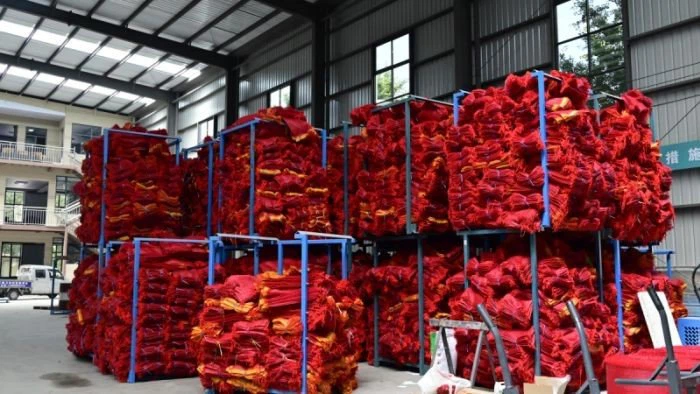

The sewing process is critical to the quality and functionality of the chili woven bags. We use high-quality thread and advanced sewing techniques to ensure strong and secure seams. The bags are typically sewn on all four sides, with a reinforced bottom to prevent tearing.
Quality Control
Before the chili woven bags are shipped to our customers, they undergo a rigorous quality control process. We inspect each bag for any defects or irregularities, including holes, tears, loose threads, and printing errors. Any bags that do not meet our strict quality standards are rejected and recycled.
We also test the bags for strength and durability. We subject the bags to a series of tests, including tensile strength tests, burst strength tests, and drop tests, to ensure they can withstand the rigors of transportation and storage. Only bags that pass all of our quality tests are approved for sale.
Packaging and Shipping
Once the chili woven bags have passed quality control, they are packaged and prepared for shipping. We use high-quality packaging materials to protect the bags during transit. The bags are typically packed in bundles or cartons, depending on the quantity and size of the order.
We offer a variety of shipping options to meet the needs of our customers. Whether you need your bags shipped locally or internationally, we can arrange for fast and reliable delivery. We work with trusted shipping partners to ensure your order arrives on time and in perfect condition.
Conclusion
So, there you have it – the production process of chili woven bags in a nutshell. From raw material selection to packaging and shipping, every step of the process is carefully monitored and controlled to ensure the highest quality and functionality of our products.
If you're in the market for chili woven bags, we'd love to hear from you. As a leading supplier of woven bags, we offer a wide range of products to meet your specific needs. Whether you need standard chili woven bags or custom-designed bags with your logo, we can help.
Check out our other products, such as Valve Woven Bags, Natural PP Woven Bags, and Garlic Woven Bags. Contact us today to discuss your requirements and get a free quote. We look forward to working with you!
References
- "Polypropylene: Properties, Processing, and Applications." Plastics Technology, 2023.
- "Woven Bag Manufacturing Process." Packaging World, 2022.
- "Quality Control in Woven Bag Production." Industrial Packaging, 2021.