Hey there! I'm a supplier of Grade A Ginger, and I'm super stoked to share with you all the amazing Japanese dishes that use this top - notch ingredient.
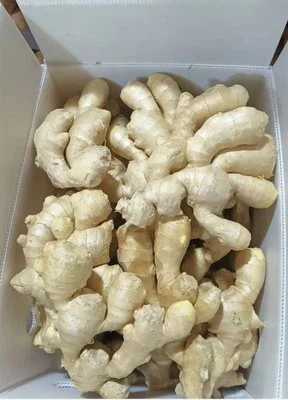
First off, let's talk a bit about what makes Grade A Ginger so special. Grade A Ginger is the crème de la crème of ginger. It's fresh, with a vibrant color, and has a strong, spicy - yet - sweet flavor. Unlike Grade B Ginger, which might be a bit less fresh or have a slightly milder taste, and Grade C Ginger, which could have some blemishes or a less intense flavor, Grade A Ginger is the best choice for those who want the full ginger experience. You can check out more about it on Grade A Ginger.
One of the most well - known Japanese dishes that uses Grade A Ginger is Sukiyaki. Sukiyaki is a delicious hot pot dish that's often enjoyed with family and friends. In Sukiyaki, thinly sliced beef is cooked in a sweet and savory broth made with soy sauce, sugar, and mirin. And here's where our Grade A Ginger comes in. A little bit of grated ginger adds a zesty kick to the broth. The sharpness of the ginger cuts through the richness of the beef and the sweetness of the sauce, creating a well - balanced flavor. You can cook the beef in the ginger - infused broth, and then dip it in raw egg yolk for an extra creamy texture. It's a match made in heaven!
Another classic is Gyu - katsu, which is basically deep - fried beef cutlets. The key to a great Gyu - katsu lies in the marinade, and Grade A Ginger is a crucial ingredient. You can make a marinade by combining grated ginger, soy sauce, garlic, and a touch of sake. The ginger not only adds flavor but also helps to tenderize the beef. After marinating the beef for a few hours, you coat it in breadcrumbs and fry it until it's golden brown and crispy on the outside, and juicy on the inside. Served with a side of shredded cabbage and a dollop of spicy mustard, it's a hearty and satisfying meal.
Tempura is also a dish where Grade A Ginger can shine. Tempura is a light and crispy fried dish that usually includes seafood and vegetables. While the batter is the star of the show, a dipping sauce made with grated ginger can take it to the next level. You can make a simple dipping sauce by mixing soy sauce, dashi, and a generous amount of grated ginger. The ginger gives the sauce a refreshing and spicy note that complements the fried goodness of the tempura. Whether it's shrimp tempura or vegetable tempura, that ginger - infused sauce makes every bite even more delicious.
Miso soup is a staple in Japanese cuisine, and Grade A Ginger can add a unique twist to it. Miso soup is typically made with miso paste, dashi, and various ingredients like tofu, seaweed, and scallions. By adding a little bit of grated ginger to the dashi before mixing in the miso, you can enhance the flavor of the soup. The ginger adds a warming and spicy element, making it perfect for a cold day. It's a simple addition, but it can transform a regular miso soup into something extraordinary.
Now, let's talk about Sashimi. Sashimi is raw fish served without rice, and it's all about the freshness of the fish. However, a side of pickled ginger, made from Grade A Ginger, is a must - have accompaniment. Pickled ginger, also known as gari, is thinly sliced and pickled in vinegar and sugar. It has a sweet and tangy flavor that helps to cleanse the palate between bites of different types of sashimi. The sharpness of the ginger also pairs well with the delicate flavor of the raw fish, enhancing the overall dining experience.

Teriyaki is another dish that benefits from Grade A Ginger. Teriyaki is a cooking technique where meat, seafood, or vegetables are glazed with a sweet and savory sauce. To make a teriyaki sauce, you can start by combining soy sauce, sugar, mirin, and grated ginger. The ginger adds a depth of flavor to the sauce, making it more complex and delicious. Whether you're making Teriyaki chicken, beef, or salmon, that ginger - infused sauce will make your dish stand out.
As a supplier of Grade A Ginger, I know how important it is to use high - quality ingredients in cooking. Japanese cuisine is all about balance, freshness, and attention to detail, and Grade A Ginger fits right into that philosophy. It's not just about adding flavor; it's about enhancing the overall experience of the dish.
If you're a restaurant owner, a home cook, or someone who loves Japanese food, I highly recommend giving Grade A Ginger a try in your cooking. It can elevate your dishes from good to great. Whether you're making a traditional Japanese meal or putting your own spin on it, Grade A Ginger is the secret ingredient you've been looking for.
So, if you're interested in purchasing Grade A Ginger for your kitchen or business, don't hesitate to reach out. I'm always happy to talk about how my Grade A Ginger can take your Japanese dishes to the next level. Let's start a conversation and see how we can work together to bring the best flavors to your table.
References:
- "Japanese Cooking: A Simple Art" by Shizuo Tsuji
- "The Japanese Kitchen" by Debra Samuels
- Various Japanese cooking blogs and online resources