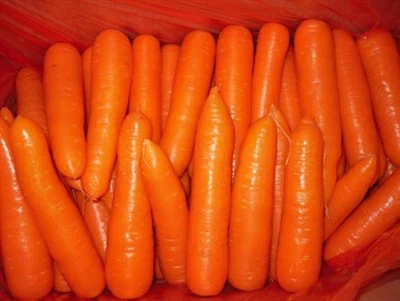
Do carrots change color when cooked? This is a question that has intrigued many home cooks, chefs, and food enthusiasts alike. As a carrot supplier, I've had numerous inquiries about this very topic. In this blog, we'll delve into the science behind carrot color changes during cooking, explore the factors that influence these changes, and discuss how these insights can benefit your culinary endeavors.
The Science of Carrot Color
Carrots owe their vibrant orange color to a group of pigments called carotenoids, primarily beta - carotene. Beta - carotene is a fat - soluble compound that belongs to the family of provitamin A carotenoids. It not only gives carrots their characteristic hue but also offers significant health benefits, such as promoting good vision, boosting the immune system, and acting as an antioxidant.
When carrots are raw, the carotenoids are neatly packed within the plant cells. The cell walls act as a protective barrier, keeping the pigments intact and maintaining the bright orange color. However, when we subject carrots to heat during cooking, several physical and chemical changes occur.
Physical and Chemical Changes During Cooking
One of the primary physical changes that happen when carrots are cooked is the breakdown of the cell walls. Heat softens the cell walls, causing them to rupture. This rupture allows the carotenoids to be released from their cellular confinement. As a result, the pigments become more accessible and can interact more freely with the surrounding environment.
Chemically, the carotenoids themselves can undergo some transformations. While beta - carotene is relatively stable under normal cooking conditions, prolonged exposure to high heat, especially in the presence of oxygen, can lead to oxidation. Oxidation of carotenoids can cause them to lose their color intensity, resulting in a duller appearance. Additionally, the pH of the cooking medium can also affect the color of carrots. For example, cooking carrots in an acidic medium can cause the carotenoids to change their structure slightly, potentially altering the color.
Factors Affecting Color Change
Cooking Method
The method of cooking plays a crucial role in determining how much the color of carrots will change. Boiling is one of the most common ways to cook carrots. When carrots are boiled, they are submerged in water, which can leach out some of the water - soluble components. If the cooking time is long, the water can turn slightly orange as some of the carotenoids are released. However, if the carrots are boiled for a short period, they usually retain their bright color.
Steaming is another popular cooking method. Steaming exposes carrots to moist heat without submerging them in water. This method helps to preserve the carotenoids as there is less loss of pigments to the cooking medium. As a result, steamed carrots often maintain a more vibrant color compared to boiled carrots.
Roasting carrots in the oven is a dry - heat cooking method. Roasting at high temperatures can cause the outer layer of the carrots to caramelize. The caramelization process can add a rich, golden - brown color to the carrots, while the interior may still retain its orange hue. The intense heat also helps to break down the cell walls, making the carotenoids more bioavailable.
Cooking Time
The duration of cooking is directly related to the degree of color change. Short - term cooking, such as blanching carrots for a minute or two, will have minimal impact on their color. The cell walls are only slightly softened, and there is little oxidation of the carotenoids. On the other hand, long - term cooking, like slow - simmering carrots in a stew for several hours, can cause a significant change in color. The extended exposure to heat and oxygen allows for more oxidation and breakdown of the carotenoids, resulting in a less vibrant color.
Storage and Freshness
The freshness of the carrots before cooking can also influence the color change. Freshly harvested carrots have a higher concentration of carotenoids and are generally more vibrant in color. As carrots are stored for a longer time, the carotenoids can gradually degrade. Older carrots may already have a slightly duller color to begin with, and cooking them will likely enhance this dullness.
Practical Implications for Cooks and Chefs
For home cooks and professional chefs, understanding how carrots change color when cooked can be very useful. If you want to present carrots with a bright, appealing color, it's advisable to use cooking methods that minimize color loss. Steaming or quick - boiling are good options. You can also add a splash of lemon juice or vinegar to the cooking water to create a slightly acidic environment, which may help preserve the color.


On the other hand, if you're making a dish where the color of the carrots is not the main focus, such as a hearty stew or a puree, you can afford to cook the carrots for a longer time. The flavor and texture of the carrots may be more important in these cases, and the slight color change may not be a significant concern.
Our Carrot Products
As a carrot supplier, we offer high - quality carrots that are carefully selected and harvested at the peak of freshness. Our Carrots 10kg Carton is a popular choice among restaurants, grocery stores, and home cooks. The carrots are packed in sturdy cartons to ensure that they remain fresh during transportation and storage.
We also provide Natural PP Woven Bags for those who prefer a more eco - friendly and breathable packaging option. These bags are made from natural polypropylene, which is durable and allows the carrots to breathe, reducing the risk of spoilage.
In addition to carrots, we also supply Seed Garlic. Garlic is a versatile ingredient that can be used in a wide variety of dishes, and our seed garlic is of the highest quality, ensuring a great harvest for those who wish to grow their own.
Conclusion
In conclusion, carrots do change color when cooked, and the extent of the color change depends on various factors such as cooking method, time, and storage conditions. While some color change is inevitable during the cooking process, by understanding the science behind it, we can make informed decisions to achieve the desired color and flavor in our dishes.
If you're interested in purchasing our high - quality carrots, garlic, or other products, we invite you to contact us for procurement discussions. We are committed to providing the best products and services to meet your needs.
References
- "The Science of Cooking: Understanding the Biology and Chemistry Behind Food and Cooking" by Simon Quellen Field.
- "Food Chemistry" by Owen R. Fennema.
- Journal articles on carotenoid stability and color changes during food processing.