As a supplier of Valve Woven Bags, ensuring the safe transportation of these products is of utmost importance. Valve Woven Bags are widely used in various industries for packaging granular and powdery materials such as fertilizers, cement, and food products. In this blog post, I will share some essential tips and guidelines on how to transport Valve Woven Bags safely.
Understanding Valve Woven Bags
Before delving into the transportation process, it's crucial to understand the nature of Valve Woven Bags. These bags are typically made from polypropylene (PP) woven fabric, which is known for its strength, durability, and resistance to tearing. The valve design allows for easy filling and prevents leakage during transportation. Valve Woven Bags come in different sizes, capacities, and specifications to meet the diverse needs of customers. You can learn more about Valve Woven Bags here.
Pre - transportation Preparation
- Inspection of Bags:
- Before loading the bags onto the transport vehicle, conduct a thorough inspection. Check for any signs of damage, such as holes, tears, or weak seams. Damaged bags can lead to product leakage during transportation, which not only causes loss of goods but can also pose safety hazards, especially if the contents are hazardous materials.
- Ensure that the valves of the bags are properly sealed. A loose or damaged valve can result in spillage, so it's essential to verify their integrity.
- Proper Packaging:
- If the Valve Woven Bags are intended for long - distance transportation or in harsh environmental conditions, consider additional packaging. For example, using outer plastic wraps or shrink - wrapping can provide an extra layer of protection against moisture, dust, and physical damage.
- Group the bags according to their contents, size, and destination. This organization will make the loading and unloading process more efficient and reduce the risk of misplacement.
- Documentation:
- Prepare all the necessary shipping documents, including the bill of lading, packing list, and any relevant safety data sheets (SDS) if the contents are hazardous. Accurate documentation is essential for compliance with transportation regulations and for easy identification and tracking of the goods.
Loading the Bags
- Use Appropriate Equipment:
- When loading the Valve Woven Bags, use equipment such as forklifts, pallet jacks, or conveyor belts. Ensure that the equipment is in good working condition and that the operators are trained to handle the bags safely.
- If using forklifts, use forks of the appropriate size to avoid damaging the bags. Place the forks gently under the pallets or bags to prevent puncturing or tearing.
- Stacking the Bags:
- Stack the bags in a stable and orderly manner. The stacking pattern should be designed to prevent the bags from toppling over during transportation. For example, use a pyramid - like stacking method for better stability.
- Do not stack the bags too high, as this can make the load top - heavy and increase the risk of collapse. The maximum stacking height should be determined based on the strength of the bags, the type of transport vehicle, and the road conditions.
- Securing the Load:
- Once the bags are loaded onto the transport vehicle, secure them properly. Use straps, ropes, or netting to prevent the bags from shifting during transit. Loose bags can cause instability in the vehicle, increasing the risk of accidents.
- If the transport vehicle has a container, ensure that the bags are evenly distributed within the container to maintain balance.
During Transportation
- Vehicle Maintenance:
- Ensure that the transport vehicle is well - maintained. Regularly check the brakes, tires, and suspension system. A breakdown during transportation can not only delay the delivery but also expose the Valve Woven Bags to potential damage if the vehicle is parked in an unsafe location.
- Keep the vehicle clean to prevent contamination of the bags. For example, if the vehicle has previously transported dirty or hazardous materials, it should be thoroughly cleaned before loading the Valve Woven Bags.
- Route Planning:
- Plan the transportation route carefully. Avoid rough roads, areas with high traffic congestion, and regions prone to natural disasters such as floods or landslides. A smooth and well - planned route can reduce the impact on the bags and minimize the risk of damage.
- Consider the weather conditions along the route. If heavy rain or snow is expected, take appropriate measures to protect the bags, such as covering the vehicle with tarps.
- Monitoring the Load:
- If possible, use monitoring devices to keep track of the load during transportation. For example, sensors can be used to detect any abnormal vibrations or movements that may indicate a problem with the load.
- Drivers should conduct regular checks on the load during stops. Inspect the straps, ropes, or netting to ensure they are still secure and that the bags have not shifted.
Unloading the Bags
- Safe Unloading Procedures:
- Use the same appropriate equipment as in the loading process for unloading. Again, ensure that the operators are trained to handle the bags safely.
- Unload the bags in an orderly manner, starting from the top or the side of the stack, depending on the stacking pattern. Avoid dropping or throwing the bags, as this can cause damage.
- Final Inspection:
- After unloading, conduct a final inspection of the bags. Check for any signs of damage that may have occurred during transportation. If any damage is found, document it immediately and take appropriate action, such as filing a claim with the transportation provider.
Special Considerations for Different Types of Contents
- Food Products:
- When transporting Valve Woven Bags filled with food products, strict hygiene standards must be maintained. The transport vehicle should be clean and free from any contaminants.
- Temperature and humidity control may be necessary, depending on the nature of the food. For example, some food products may require refrigerated transportation to prevent spoilage.
- Hazardous Materials:
- If the Valve Woven Bags contain hazardous materials, additional safety measures are required. The transport vehicle must comply with all relevant safety regulations, such as having proper ventilation, spill - containment systems, and warning signs.
- Drivers must be specially trained to handle hazardous materials and be aware of the emergency response procedures in case of a spill or accident.
Conclusion
Transporting Valve Woven Bags safely requires careful planning, proper handling, and strict adherence to safety regulations. By following the tips outlined above, we can minimize the risk of damage to the bags and their contents, ensure the safety of the transportation process, and maintain customer satisfaction.

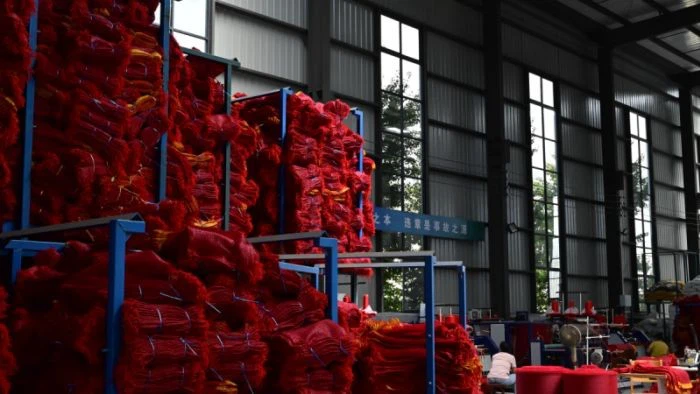
If you are in the market for high - quality Valve Woven Bags, Potato Woven Bags, or Natural PP Woven Bags, we are here to serve you. Our products are designed to meet the highest standards of quality and safety. You can explore our Potato Woven Bags and Natural PP Woven Bags on our website. We welcome you to contact us for any procurement inquiries and to discuss how we can meet your specific needs.
References
- International Maritime Dangerous Goods (IMDG) Code
- Department of Transportation (DOT) regulations for land transportation in the United States
- ISO standards for woven bags (e.g., ISO 9001 for quality management)