When it comes to packaging solutions, woven bags are a popular choice in various industries due to their durability, cost - effectiveness, and versatility. Among the different options available, 20kg woven bags and 15kg woven bags are two common choices. As a supplier of 20kg woven bags, I'd like to delve into the differences between these two types of bags to help you make an informed decision for your packaging needs.
1. Capacity and Size
The most obvious difference between 20kg woven bags and 15kg woven bags lies in their capacity. A 20kg woven bag is designed to hold up to 20 kilograms of goods, while a 15kg woven bag can hold up to 15 kilograms. This difference in capacity directly translates into a difference in size. Generally, 20kg woven bags are larger in both height and width compared to 15kg woven bags.

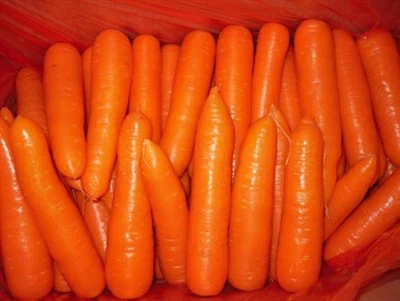
The larger size of 20kg woven bags makes them suitable for products that are bulky or need to be packaged in larger quantities at once. For example, Potato Woven Bags often come in 20kg sizes as potatoes are relatively large and heavy, and it is more efficient to package them in larger quantities. On the other hand, 15kg woven bags are more appropriate for products that are lighter or when smaller packaging units are preferred for easier handling and distribution.
2. Material Thickness and Strength
To accommodate the larger capacity and heavier load, 20kg woven bags usually have a thicker and stronger material compared to 15kg woven bags. The thickness of the woven fabric is measured in grams per square meter (GSM). A 20kg woven bag may have a GSM of around 100 - 120, while a 15kg woven bag might have a GSM of 80 - 100.
The stronger material of 20kg woven bags provides better resistance to tearing, puncturing, and abrasion. This is crucial when packaging heavy or sharp - edged products. For instance, Grain Woven Bags that are used to store and transport grains like wheat or corn often require a certain level of strength to prevent damage during handling and storage. The 20kg bags can better withstand the weight and movement of the grains, reducing the risk of leakage or damage to the packaging.
3. Cost
When it comes to cost, 20kg woven bags are generally more expensive than 15kg woven bags. The higher cost is mainly due to the larger amount of material used and the additional strength requirements. The cost of production is directly related to the size and quality of the bag.
However, when considering the overall cost - effectiveness, the situation is more complex. If you need to package a large quantity of goods, using 20kg woven bags may be more cost - effective in the long run. You will need fewer bags to pack the same amount of product, which can reduce the overall packaging cost per unit of the product, as well as the cost of transportation and storage. On the other hand, if your product is sold in smaller quantities or has special handling requirements, 15kg woven bags may be a more economical choice.
4. Handling and Transportation
Handling a 20kg woven bag is more challenging than a 15kg one. The heavier weight makes it more difficult for workers to lift, carry, and stack the bags. This may require additional equipment such as forklifts or pallet jacks for efficient handling.
In terms of transportation, 20kg woven bags can be more efficient in terms of space utilization. Since they can hold more product, fewer bags are needed to fill a container or a truck, which can reduce the transportation cost per unit of the product. However, the weight limit of transportation vehicles must be considered. If the weight of the 20kg bags exceeds the vehicle's capacity, it may lead to overloading and safety issues. 15kg woven bags are easier to handle manually and can be more flexible in terms of transportation, especially for smaller - scale deliveries or when weight restrictions are a concern.
5. Market Demand and Application
The market demand for 20kg and 15kg woven bags varies depending on the industry and the product. In industries such as agriculture and construction, 20kg woven bags are in high demand. For example, in the agricultural sector, fertilizers and animal feeds are often packaged in 20kg bags. The larger capacity allows for more product to be sold at once, which is convenient for farmers who need to purchase in bulk.
In contrast, 15kg woven bags are more commonly used in industries where smaller packaging units are preferred. For example, in the food industry, some products like flour or sugar may be packaged in 15kg bags for home use or small - scale businesses.
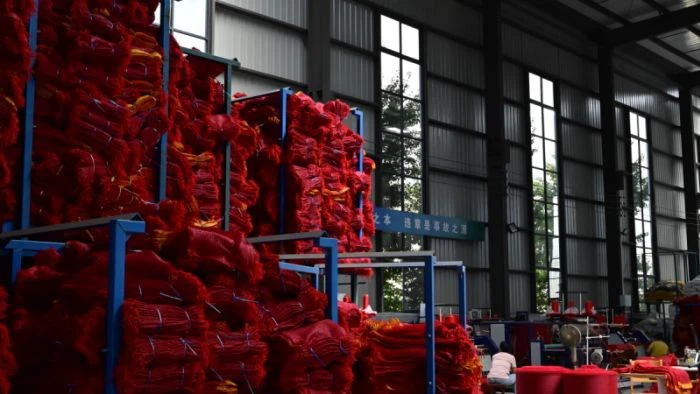
As a supplier of 20kg woven bags, I have seen the wide application of our products in different industries. Our PP Woven Laminated Bags, which are available in 20kg sizes, are popular for their excellent strength and moisture - resistance properties. They are used for packaging a variety of products, from chemicals to construction materials.
Making the Right Choice
When deciding between 20kg and 15kg woven bags, several factors need to be considered. First, analyze the nature of your product. If it is heavy, bulky, or needs to be sold in large quantities, 20kg woven bags may be the better choice. If your product is light or needs to be packaged in smaller units, 15kg woven bags are more suitable.
Second, consider your handling and transportation capabilities. If you have the necessary equipment and infrastructure to handle heavy bags, 20kg woven bags can offer cost - savings in the long run. However, if your operations rely mainly on manual labor or have strict weight restrictions, 15kg woven bags may be a more practical option.
Finally, take into account the market demand. Research what your customers prefer in terms of packaging size and quantity. This can help you meet their needs and increase customer satisfaction.
Contact for Purchase and Negotiation
If you are interested in our 20kg woven bags, we are ready to engage in productive discussions. Our expertise in the field of woven bag manufacturing and supply means we can offer you customized solutions according to your specific requirements. Whether you need a small batch for a trial run or a large - scale order for long - term supply, we are well - equipped to handle it. Reach out to us to start the negotiation process and find the best packaging solution for your business.
References
- Packaging Handbook, Third Edition.
- International Journal of Packaging Science and Technology.
- Agricultural Packaging Industry Reports.