What is the zinc content of Grade B Ginger?
As a supplier of Grade B Ginger, I often receive inquiries about the nutritional value of our products, especially the zinc content. Zinc is an essential mineral that plays a crucial role in various bodily functions, including immune system support, wound healing, and DNA synthesis. In this blog post, I will delve into the zinc content of Grade B Ginger, compare it with other grades, and discuss the potential health benefits associated with consuming ginger rich in zinc.
Understanding Grade B Ginger
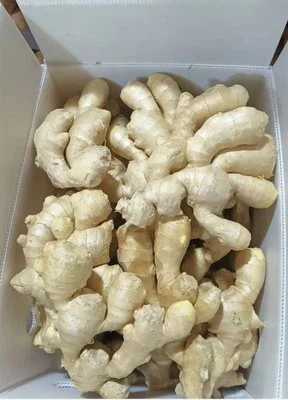
Before we explore the zinc content, let's first understand what Grade B Ginger is. Grade B Ginger is a category of fresh ginger that meets specific quality standards. While it may not have the same flawless appearance as Grade A Ginger, it still offers excellent flavor and nutritional value. Grade B Ginger may have minor blemishes or irregularities in shape, but it is perfectly suitable for culinary and health-related uses. Compared to Grade C Ginger, which may have more significant imperfections, Grade B Ginger strikes a balance between quality and affordability.
Zinc Content in Grade B Ginger
The zinc content in ginger can vary depending on several factors, including the variety of ginger, growing conditions, and post-harvest handling. On average, fresh ginger contains about 0.3 - 0.4 milligrams of zinc per 100 grams. Our Grade B Ginger generally falls within this range, offering a decent amount of zinc in each serving.
To put this into perspective, the recommended daily intake of zinc for adult men is 11 milligrams, and for adult women, it is 8 milligrams. While a single serving of Grade B Ginger may not provide a significant portion of the daily zinc requirement, incorporating ginger into your diet can contribute to your overall zinc intake. For example, if you consume about 10 grams of Grade B Ginger per day, you would be getting approximately 0.03 - 0.04 milligrams of zinc, which is a small but still beneficial addition.
Factors Affecting Zinc Content
As mentioned earlier, several factors can influence the zinc content in Grade B Ginger. Here are some of the key factors to consider:
- Soil Composition: The quality of the soil in which the ginger is grown plays a vital role in determining its zinc content. Soils rich in zinc will naturally transfer more of this mineral to the growing ginger plants. Our ginger is sourced from regions with fertile soils that are known to be relatively high in zinc, which helps ensure a good zinc content in our Grade B Ginger.
- Growing Practices: Proper cultivation techniques can also impact the zinc uptake by ginger plants. This includes factors such as irrigation, fertilization, and pest control. We follow sustainable and environmentally friendly growing practices that promote the healthy growth of ginger plants and optimize their nutrient absorption, including zinc.
- Harvesting and Storage: The timing of harvest and the way the ginger is stored after harvest can affect its zinc content. Ginger that is harvested at the right maturity stage and stored properly in a cool, dry place is more likely to retain its zinc and other nutrients. We ensure that our Grade B Ginger is harvested at the optimal time and stored under ideal conditions to preserve its nutritional value.
Comparing Zinc Content in Different Grades of Ginger
When comparing the zinc content of different grades of ginger, it's important to note that the differences are generally not significant. Grade A Ginger may have a slightly more consistent appearance and texture, but in terms of zinc and other nutrients, it is likely to be similar to Grade B Ginger. Grade C Ginger may also have a comparable zinc content, although the quality of the ginger may be lower in other aspects.
The main difference between the grades lies in their visual appeal and market value. Grade A Ginger is often preferred for high - end culinary applications and export markets where appearance is crucial. Grade B Ginger, on the other hand, offers a more cost - effective option without sacrificing much in terms of nutritional value and flavor.
Health Benefits of Zinc in Grade B Ginger
Zinc is an essential nutrient that offers numerous health benefits when incorporated into the diet. Here are some of the ways in which the zinc in Grade B Ginger can contribute to your well - being:

- Immune System Support: Zinc is known to play a key role in the proper functioning of the immune system. It helps to activate immune cells, such as T - cells and natural killer cells, which are responsible for fighting off infections and diseases. Consuming Grade B Ginger as part of a balanced diet can help strengthen your immune system and protect you from common illnesses.
- Wound Healing: Zinc is involved in the process of cell division and proliferation, which is essential for wound healing. It helps to promote the growth of new skin cells and collagen, which are necessary for the repair of damaged tissues. Adding Grade B Ginger to your meals may aid in the natural healing process of wounds, bruises, and cuts.
- Antioxidant Protection: Zinc acts as an antioxidant in the body, helping to neutralize free radicals that can cause oxidative stress and damage to cells. Oxidative stress is associated with various chronic diseases, including heart disease, cancer, and neurodegenerative disorders. By consuming zinc - rich Grade B Ginger, you can help reduce oxidative stress and protect your cells from damage.
- Improved Digestion: Ginger has long been used as a digestive aid, and the zinc in it may further enhance its digestive benefits. Zinc helps to maintain the health of the digestive tract lining and promote proper enzyme function. This can help alleviate digestive problems such as bloating, indigestion, and nausea.
Incorporating Grade B Ginger into Your Diet
There are many delicious ways to incorporate Grade B Ginger into your daily diet. Here are some suggestions:
- Ginger Tea: Make a simple and refreshing ginger tea by steeping fresh slices of Grade B Ginger in hot water for 10 - 15 minutes. You can add honey and lemon for extra flavor and health benefits.
- Cooking and Baking: Grate or slice Grade B Ginger and add it to your stir - fries, curries, soups, and stews. It can also be used in baking, such as gingerbread cookies or muffins.
- Smoothies: Blend a small piece of Grade B Ginger with your favorite fruits and vegetables to create a nutritious and zesty smoothie.
- Salad Dressings: Make a homemade salad dressing by combining grated ginger, olive oil, vinegar, and a touch of honey. Drizzle it over your salads for a delicious and healthy twist.
Why Choose Our Grade B Ginger?
As a supplier of Grade B Ginger, we take pride in offering high - quality products at competitive prices. Our ginger is sourced directly from trusted farmers who follow strict quality control standards. We ensure that our Grade B Ginger is fresh, flavorful, and rich in nutrients, including zinc.
We also offer flexible packaging options and reliable delivery services to meet the needs of our customers. Whether you are a small - scale restaurant owner, a food manufacturer, or a health - conscious individual, we can provide you with the right quantity of Grade B Ginger to suit your requirements.
Contact Us for Purchase and Discussion
If you are interested in purchasing Grade B Ginger or have any questions about its zinc content, nutritional value, or applications, please feel free to contact us. We are more than happy to discuss your specific needs and provide you with detailed information.
References
- Food and Nutrition Board, Institute of Medicine. (2001). Dietary Reference Intakes for Vitamin A, Vitamin K, Arsenic, Boron, Chromium, Copper, Iodine, Iron, Manganese, Molybdenum, Nickel, Silicon, Vanadium, and Zinc. Washington, DC: The National Academies Press.
- Efem, S. E. (1998). Effect of Ginger (Zingiber officinale) on Experimental Gastric Ulceration and Gastric Acid Secretion. Phytotherapy Research, 12(7), 547 - 552.
- Prasad, A. S. (2008). Zinc in Human Health: Effect of Zinc on Immune Cells. Molecular Medicine, 14(5 - 6), 353 - 357.