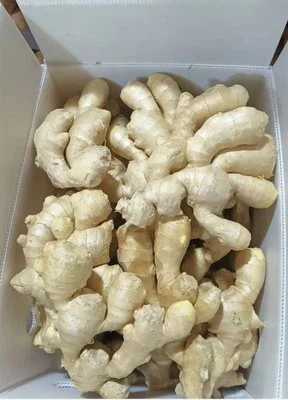
Hey there! I'm a supplier of Grade A Ginger, and I'm super stoked to chat with you about all the amazing Indian dishes that use this top - notch ingredient. Grade A Ginger is like the rockstar of the ginger world. It's got that perfect balance of flavor, freshness, and quality. You can check out more about it here: Grade A Ginger.
Let's start with one of the most iconic Indian dishes - Chicken Tikka Masala. This dish is a flavor explosion, and ginger plays a crucial role in it. When you're making the marinade for the chicken, grated Grade A Ginger is a must - have. Its sharp, zesty flavor cuts through the richness of the yogurt and spices, adding a layer of complexity. The fresh, pungent notes of the ginger complement the warm, earthy spices like cumin, coriander, and turmeric. And when the chicken is cooked to perfection and then simmered in the creamy tomato - based sauce, the ginger flavor melds beautifully with the other ingredients, creating a sauce that's both tangy and savory.
Another classic is Samosas. These triangular, deep - fried pastries are filled with a spiced potato and pea mixture. Grade A Ginger adds a kick to the filling. You can finely chop the ginger and mix it with the potatoes, along with other spices like chili powder, garam masala, and mustard seeds. The ginger gives the filling a bit of a bite, making each bite of the samosa a burst of flavor. It also helps to balance out the starchy taste of the potatoes, making the filling more exciting.

Now, let's talk about Lentil Soup, or Dal as it's known in India. There are so many different types of dal, but in most recipes, ginger is a key ingredient. You'd typically sauté finely chopped Grade A Ginger in some ghee or oil at the beginning of the cooking process. The heat releases the ginger's essential oils, infusing the oil with its flavor. As the lentils cook in this flavored oil and water, the ginger flavor seeps into every little lentil, giving the soup a warm, comforting taste. Dal is often served with rice or flatbreads, and the ginger in it adds that extra oomph to the meal.
Ginger is also a star in Chai, India's beloved spiced tea. When making chai, you can use fresh Grade A Ginger slices. The ginger adds a spicy, warming element to the tea. It's usually combined with other spices like cardamom, cinnamon, and cloves. As the tea brews, the ginger releases its flavor, creating a beverage that's not only delicious but also has some health benefits. It can help with digestion and give you a little energy boost.
In comparison to Grade B Ginger and Grade C Ginger, Grade A Ginger stands out. Grade B Ginger might be a bit less fresh and have a slightly less intense flavor. Grade C Ginger could be even more lacking in quality, with a duller taste and possibly some blemishes. But Grade A Ginger is the real deal. It's fresh, with a vibrant color and a strong, pure flavor that can really elevate any Indian dish.
If you're a restaurant owner looking to add some authentic Indian flavors to your menu, or if you're just a home cook who loves experimenting with new recipes, Grade A Ginger is your best bet. It can take your dishes from good to great.
For those of you who are into healthy eating, ginger has a ton of health benefits. It's known for its anti - inflammatory properties, which can help with things like joint pain and digestive issues. It can also boost your immune system, especially during cold and flu season. So, using Grade A Ginger in your Indian cooking isn't just about taste; it's also about taking care of your body.
Let's not forget about Ginger Pickle. In India, this is a popular condiment that's often served with meals. You can make it by slicing Grade A Ginger thinly and pickling it in vinegar, salt, and some spices. The pickled ginger has a sharp, tangy flavor that can cut through the richness of other dishes. It's a great way to add a bit of zing to your meal, whether you're having it with rice, rotis, or even sandwiches.
In Indian street food, you'll often find Ginger Chutney. This chutney is made by blending Grade A Ginger with some green chilies, cilantro, and a little bit of lemon juice. It's a bright, green sauce that's full of flavor. You can use it as a dip for samosas, pakoras, or any other fried snacks. Or you can spread it on a sandwich for an Indian twist. The ginger in the chutney gives it that characteristic spicy - fresh taste that's so typical of Indian street food.
If you're thinking about using Grade A Ginger in your cooking, there are a few tips. When you're grating the ginger, use a fine - toothed grater to get the most flavor. And if you're not using all the ginger at once, you can store it in the freezer. Just wrap it tightly in plastic wrap or put it in a freezer bag. When you need it, you can grate it straight from the freezer, and it'll still have that great flavor.
As a supplier, I'm really passionate about providing the best Grade A Ginger. I work hard to make sure that the ginger I supply is of the highest quality, with that perfect flavor and freshness. Whether you're a small - scale home cook or a large - scale restaurant, I've got you covered.
If you're interested in purchasing Grade A Ginger for your kitchen, whether it's for making these amazing Indian dishes or for any other culinary adventures, I'd love to have a chat with you. Reach out to me, and we can discuss your needs, quantities, and pricing. Let's bring the authentic flavors of India to your table with the best Grade A Ginger around.
References:
- "Indian Food: A Historical Companion" by Colleen Taylor Sen
- "The Great Indian Spice Book" by Monisha Bharadwaj
- Various Indian cooking blogs and recipe websites