As a supplier of Grade B Ginger, I've frequently encountered a common question from clients and industry enthusiasts: Is Grade B Ginger more fibrous than other grades? In this blog post, we'll delve into this inquiry, exploring the characteristics of different ginger grades and determining whether Grade B Ginger indeed holds a higher level of fiber content.
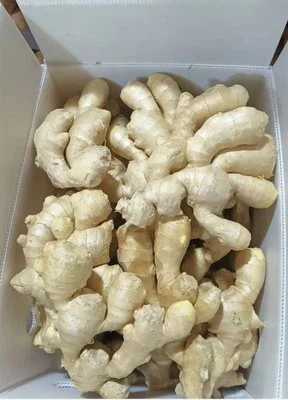
First, let's understand the grading system of ginger. Typically, ginger is classified into grades such as Grade A Ginger, Grade B Ginger, and Grade C Ginger based on various factors including size, appearance, and quality. Grade A Ginger is often considered the premium grade. It is characterized by its large size, smooth skin, and uniform shape. This grade is usually preferred for fresh consumption, such as in salads, sushi, or as a garnish due to its appealing appearance and high - quality texture.
On the other hand, Grade C Ginger is generally at the lower end of the quality spectrum. It may have smaller size, more irregular shape, and could show some signs of blemishes or damage. This grade is often used in processed products like ginger powder, ginger oil, or in the pharmaceutical industry where appearance is not the primary concern.
Grade B Ginger sits in the middle. It is of decent quality, with a size and appearance that is somewhat less perfect than Grade A but far better than Grade C. It has a good balance between cost - effectiveness and quality, making it a popular choice for a wide range of applications, from home cooking to small - scale food processing.

Now, let's focus on the fiber content. Fiber in ginger plays an important role in both its physical properties and health benefits. Physically, a higher fiber content can make the ginger more stringy and tougher to chew. From a health perspective, dietary fiber is known to aid digestion, regulate blood sugar levels, and lower cholesterol.
Several factors can influence the fiber content in ginger. One of the main factors is the age of the ginger plant. Older ginger plants tend to have a higher fiber content as the tissues become more lignified over time. Another factor is the growing conditions. Ginger grown in soil with poor fertility or in areas with water stress may develop more fibrous tissue as a response to environmental challenges.
When it comes to comparing the fiber content among different grades, it's a bit more complex than a straightforward assumption that Grade B Ginger is more fibrous. Grade A Ginger is often harvested at an optimal time when the plant has reached a good balance between flavor, size, and texture. This means that it may have a relatively low to moderate fiber content, providing a tender and pleasant chewing experience.
Grade C Ginger, due to its often less - than - ideal growing conditions or later harvest (if it's from plants that have been left in the field longer), can potentially have a higher fiber content. However, this is not always the case as the grading is also based on appearance, and some Grade C Ginger may be from younger plants that just have cosmetic issues.
Grade B Ginger can vary in its fiber content. In many cases, it may have a slightly higher fiber content compared to Grade A Ginger. This is because the selection criteria for Grade B allow for a bit more variation in terms of growth stage and quality. Some Grade B Ginger may be harvested a little later than Grade A, which can result in a slightly fibrous texture. However, it is important to note that this is not a universal rule. The farming practices, the specific variety of ginger, and the post - harvest handling can all affect the fiber content.
For example, if a farmer uses a particular cultivation method that promotes rapid growth and early maturation in a large portion of the ginger crop, the Grade B Ginger harvested from that batch may not be very fibrous at all. Conversely, if the growing season is unfavorable or the post - harvest storage conditions cause the ginger to dry out slightly, the fiber content may increase across all grades, including Grade B.
In the cooking and food industry, the level of fiber in ginger can have a significant impact on its usability. In recipes where a smooth texture is required, such as in ginger purees or ginger syrups, Grade A Ginger is usually the top choice due to its lower fiber content. However, for dishes where a bit of texture is desired, like stir - fries or ginger - based curries, Grade B Ginger can be an excellent option. Its slightly higher fiber content can add a pleasing crunch and a more intense ginger flavor.
From a nutritional standpoint, the different fiber levels in various grades of ginger offer different health benefits. A diet rich in fiber from ginger can contribute to a healthy digestive system. Whether you choose Grade A, B, or C Ginger depends on your specific dietary needs and preferences.
As a supplier of Grade B Ginger, I can assure you that our products undergo strict quality control measures. We carefully select the ginger to ensure that it provides a good balance between flavor, texture, and nutritional value. Our Grade B Ginger is sourced from trusted farmers who follow sustainable farming practices, ensuring that the environmental impact is minimized while maintaining the quality of the produce.
If you're a chef looking for a cost - effective yet high - quality ginger for your restaurant, or a food manufacturer aiming to add a unique ginger flavor to your products, our Grade B Ginger could be the perfect choice. Its versatility, combined with its potential for a slightly higher fiber content, makes it suitable for a wide range of applications.
We understand that each customer has different requirements, and we're more than happy to provide samples for you to test the quality of our Grade B Ginger. If you're interested in learning more about our products or discussing potential business opportunities, please reach out. We're eager to start a conversation with you and help you find the best ginger solution for your needs.
References
- Some authoritative books on horticulture which discuss the growth and characteristics of ginger plants.
- Research papers on the nutritional and physical properties of ginger, exploring factors affecting fiber content.
- Industry reports on the grading and quality standards of ginger in the food market.